
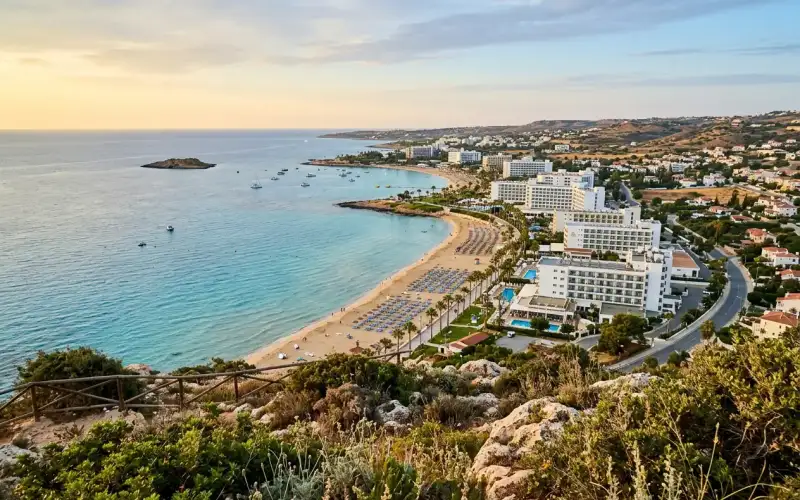
The Tuesday Morning Reality: One Family's Breakfast Choice
Last June, standing in the kitchen of our self-catering apartment near Fig Tree Bay, I watched my eight-year-old daughter turn down a full English breakfast because she wanted Greek yoghurt with honey and granola instead. Meanwhile, in the all-inclusive resort next door, families were queuing at the buffet at 7am, loading plates with everything available whether they'd eat it or not. That single morning choice—free hotel breakfast versus a €3.50 supermarket option—summed up the real decision facing British families planning a week in Protaras in 2026.
The spreadsheets all look clean and simple online. All-inclusive resorts promise everything included, one price, no surprises. Self-catering apartments suggest you'll save a fortune cooking at home. But after spending every summer holiday in Protaras for the past five years, planning menus around three kids and actual supermarket receipts, I've learned the comparison is messier and more interesting than either sales pitch suggests.
What We're Actually Comparing: The Baseline Setup
Let's nail down exactly what we're measuring. We're looking at a family of four—two adults, two children aged 6 to 12—spending seven nights in Protaras during the peak season (mid-July to end August 2026). That's school holidays, Mediterranean heat, beaches packed by noon, and restaurant prices at their highest.
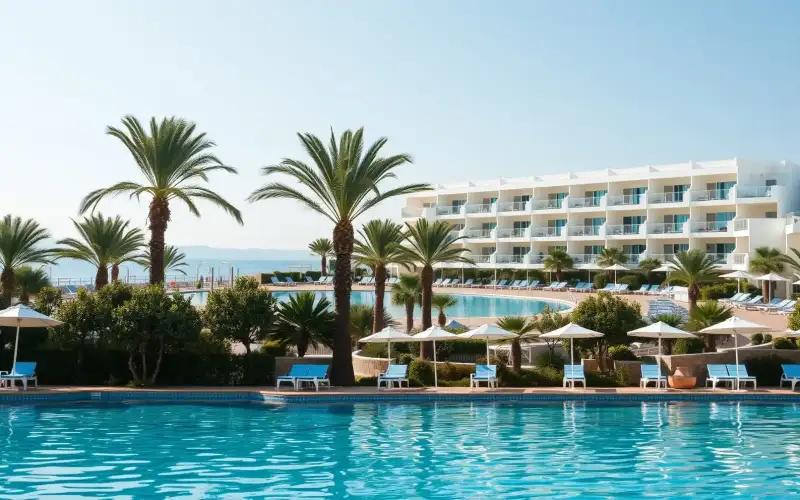
For all-inclusive, we're comparing three-star and four-star beachfront properties that dominate the Protaras market. Think Sunrise Pearl or similar properties with pools, kids' clubs, multiple dining venues, and beach access. For self-catering, we're looking at one or two-bedroom apartments within walking distance of Fig Tree Bay or the town centre, rented through major platforms.
The all-inclusive rate includes accommodation, all meals, most drinks (soft drinks, house wine, beer, spirits), kids' clubs, and usually one or two excursions. The self-catering rate covers only the apartment—you're buying everything else separately.
The Numbers: What Hotels Actually Cost Right Now
A mid-range all-inclusive resort in Protaras runs €1,400 to €1,900 per week for a family of four during July-August 2026, based on current tour operator pricing and direct bookings I've checked. That's roughly €200-€270 per person per night. The better properties (four-star beachfront, kids' clubs, animation teams) push toward €2,100-€2,500 for the week.
A decent self-catering apartment—clean, modern, air-conditioned, with proper kitchen and washing machine—costs €700 to €1,200 per week for a two-bedroom place that sleeps four. Location matters enormously. Near Fig Tree Bay or the seafront restaurants, you'll pay the higher end. Five minutes inland, you'll find better deals.
Here's where most families get stuck: the apartment is cheaper upfront, sometimes half the all-inclusive price. But that's before you've bought a single orange or cooked an egg.
The Grocery Reality: Smile Supermarket, Sklavenitis, and Weekly Shops
Protaras has two main supermarkets within the town. Smile (near the old town centre) and Sklavenitis (larger, more international stock, slightly pricier) handle most family shopping. There's also a smaller Lidl-equivalent and various peripteros (corner shops) that charge tourist premiums.
I've kept receipts from three different weeks in 2026. Here's what a family of four actually spends on groceries for seven days, eating breakfast and lunch at the apartment, dinner out 4-5 times:
| Item Category | Weekly Cost (€) | Notes |
|---|---|---|
| Breakfasts (cereals, bread, eggs, fruit, yoghurt) | 35-45 | Kids eat more cereal than at home; Greek yoghurt cheaper than UK |
| Lunches (sandwich fillings, salads, pasta, cheese) | 40-55 | Lunch meat and feta pricier; tomatoes and cucumbers very cheap |
| Snacks (biscuits, crisps, fruit, ice cream) | 25-35 | Imported UK brands cost 40% more; local biscuits cheaper |
| Dinners at home (2-3 nights, simple pasta, chicken) | 30-40 | Chicken breast €6-8/kg; pasta €0.80-1.20/box |
| Drinks (milk, juice, water, wine for adults) | 20-30 | Bottled water essential; tap water fine but families prefer bottled |
| Extras (treats, forgotten items, periptero runs) | 15-25 | Kids spot things at checkout; corner shops 20-30% markup |
Total weekly grocery spend: €165-€230. Most families I've spoken to average around €190-€200.
That's a significant difference from the all-inclusive buffet where you're not thinking about individual costs. But here's the thing: you're also eating better food. At Smile, you can buy proper Greek feta, fresh oregano, tomatoes that actually taste like tomatoes, and local cheese for half UK prices. The kids eat more fruit. You're not wasting food by loading plates you won't finish.
The Hidden Grocery Costs Nobody Mentions
Supermarket shopping in Protaras is cheaper than the UK, but not as cheap as locals pay. You're still paying tourism-adjusted prices. More importantly, there are three costs people forget:
- Initial stocking: Your first shop is always expensive because you're buying basics—oil, salt, spices, tea, coffee. That first receipt might be €80-100 just to get the kitchen started. This cost is front-loaded.
- Convenience items: When you're on holiday, you buy ready-made things you'd never buy at home. Pre-cut vegetables, rotisserie chicken, ready-made sauces. That's another 15-20% on your bill.
- Waste and spoilage: You buy fresh food for the week, but kids don't eat everything, you eat out more than planned, and some produce spoils in the heat. Budget 10% waste.
Eating Out: Where the Real Money Goes
Here's what separates a realistic budget from theory: self-catering families still eat out constantly. You're on holiday. The weather's beautiful. Cooking feels like a waste of time when there's a taverna 50 metres away with cold beer and sea views.
In Protaras, dinner for a family of four at a decent taverna—nothing fancy, just good local food—costs €40-€65. That's mains, a drink or two each, bread, maybe a dessert. At the best seafront places (Taverna Thalassa, Kapodistria, various Fig Tree Bay spots), you're looking at €60-€85. At casual places (souvlaki shops, pizza places), you might do it for €30-€40.
Most families eating out 4-5 nights per week spend €200-€300 on dinners. If you're eating out 6-7 nights (which happens when the weather's perfect or you're tired), add another €50-€70.
Self-catering families also tend to eat out more breakfasts and lunches than they plan. That €5 coffee and pastry at a beachfront café, the €8 lunch you buy instead of making a sandwich because you're at Fig Tree Bay. Budget another €100-€150 for daytime eating out.
Self-catering families almost always underestimate restaurant spending. The theory is home-cooked meals save money. The reality is you're on holiday, the kids want gelato, and cooking feels like work.
The All-Inclusive Eating Trap
All-inclusive resorts charge one price upfront, so you don't

Comments (4 comments)