
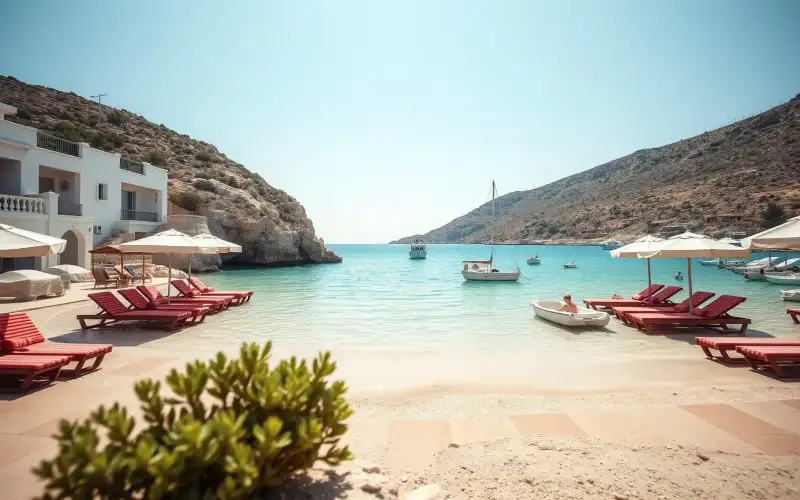
Last August, my daughter spotted a family struggling to reverse their hire car back up Konnos's access road after realizing there was nowhere to park. The husband was gripping the wheel, the wife was gesturing frantically, and a queue of cars had formed behind them. That's when I realized most visitors arrive unprepared. Konnos Bay is genuinely one of the most beautiful stretches of water in Cyprus—the sand is soft, the bay curves like a perfect crescent, and the water stays shallow and gin-clear for what feels like forever. But it demands respect and planning, or you'll spend your morning in a parking nightmare instead of in the sea.
What Makes Konnos Bay So Special?
Konnos sits about 3 kilometres south of Protaras town, tucked between rocky headlands that shelter it from wind. The bay faces southeast, which means morning sun hits the water early, and the shallow gradient extends almost 40 metres out—perfect for teenagers learning to snorkel or younger children building confidence in the water. The seabed is mostly sand with occasional rocks, and visibility regularly tops 15 metres on calm days. I've counted at least six different species of fish in the shallows without moving more than a few metres from shore.
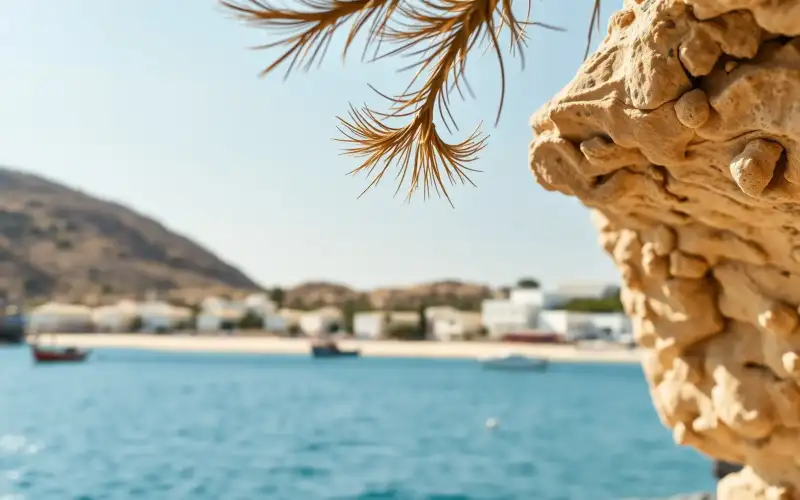
The rocks on either side of the bay are honeycomb limestone, riddled with tiny caves and crevices where grouper and sea bream shelter. The water temperature sits around 24–26°C from June through September, warm enough that wetsuits feel unnecessary for most families, though a rash guard helps if you're sensitive to sun or planning a longer snorkel session.
What makes it different from Nissi Beach or Lara Cove is the absence of jet skis and parasails. Konnos feels quieter, more intimate. There's no blaring music from beach bars, no touts selling knock-off sunglasses. It's the kind of place where you hear actual conversation and water lapping against sand.
The Access Road: What You Need to Know Before You Drive
Let's address the elephant in the room. The road down to Konnos is narrow, steep, and lined with white-painted rocks that mark the cliff edge. It's about 600 metres long, single-track in places, and if you meet another car coming up while you're going down, someone has to reverse. In July and August, this happens frequently.
The gradient averages 8–10 percent, which is manageable in a standard car or SUV, but it's not forgiving if your brakes are worn or if you're towing a caravan (which you shouldn't attempt). The surface is tarmac but potholed in sections, and loose gravel sits in the bends. In 2026, the Cypriot authorities have promised resurfacing, but I'd verify the current condition before you book if you're driving a low-slung sports car or an elderly vehicle.
Speed matters. Descend at 15–20 km/h, use low gear, and don't ride the brakes continuously—that overheats them. If you're nervous about driving down, you can park at the top and walk (about 10 minutes), though that defeats the purpose for families with young children or anyone carrying beach gear.
One local trick: arrive before 8 am. By 8:30 am on a summer weekday, the road is busier. By 10 am, you're gambling. If you're staying in Protaras, set an alarm. The reward is a nearly empty beach, calm water, and a parking space without stress.
Parking: The Real Bottleneck
There are roughly 80 parking spaces at Konnos, arranged in a small lot at the base of the access road. It's tarmac, reasonably well-maintained, and free. But those 80 spaces fill by 9:30 am on any day with decent weather between June and September. Once they're full, you're driving back up the hill and parking at the top near the taverna, which adds 10 minutes to your beach access and rather defeats the point.
The car park has no shade, so your vehicle will be a furnace by midday. Bring sunshades for the windscreen, or plan to leave by 2 pm when the heat becomes genuinely uncomfortable for anyone sitting in a parked car.
If you're arriving between 11 am and 3 pm, honestly, don't bother with Konnos. Head to Protaras town beach, which has multiple car parks and a gentler slope, or try Lanta Beach, which is less famous and has more parking. Konnos rewards early birds and late arrivals (after 4 pm, the light is golden and the beach empties).
There's no disabled parking specifically marked, but the lot is relatively flat and compact. If mobility is a concern, arrive very early or speak to the beach taverna staff—they sometimes allow short-term parking closer to the beach for elderly or disabled visitors.
Sunbeds, Umbrellas, and What It Costs
A sunbed and umbrella combo costs €8–10 per day (2026 prices). Individual sunbeds run €5–6, and umbrellas alone are €3–4. These are managed by the beach taverna, which sits at the northern edge of the bay in a small stone building. The taverna staff are genuinely helpful and will reserve beds if you ask nicely.
The sunbeds are the standard plastic loungers, not fancy, but they're maintained and arranged in neat rows. There are probably 120–150 beds available, which sounds plenty until you realize that on a hot August day, the beach attracts 400–500 people. So if you want a sunbed, rent one early. If you're happy on a towel, bring one and position yourself on the sand before 10 am.
The taverna serves standard beach food: souvlaki, moussaka, Greek salads, cold beers, and coffee. Prices are reasonable—a souvlaki costs €6–8, a salad €7–9. They accept card and cash. The Wi-Fi password is usually written on a board. It's not gourmet, but it's reliable and the staff know what they're doing.
Bring your own snacks if you're on a budget or have dietary preferences. There's a small supermarket in Protaras town (Protaras Center, about 3 km away) where you can pick up bread, cheese, fruit, and drinks for a fraction of taverna prices.
Water Conditions and Snorkelling Potential
The water at Konnos is the main draw, and it rarely disappoints. The bay is sheltered, so even on days when other beaches are choppy, Konnos stays calm. The shallow gradient means you can wade out 30 metres and still be in 1.5–2 metres of water, perfect for children who are nervous swimmers or anyone learning.
Snorkelling is genuinely worthwhile. The rocks on the left (northern) side of the bay, especially around the small cave openings, host small grouper, wrasse, and damselfish. The sandy areas in the middle of the bay are less interesting, but occasionally you'll spot cuttlefish or small octopus. The right (southern) side has scattered rocks and is good for spotting scorpionfish (harmless if you don't touch them) and various wrasse species.
Visibility is typically 12–18 metres, excellent for a small cove. The only time it drops is after strong winds or heavy rain, which occasionally stirs up sediment. In 2026, the water quality is monitored and the bay maintains its Blue Flag status, which means it meets strict standards for cleanliness and safety.
Currents are minimal in the bay itself, though there's a slight outflow if you swim toward the southern headland. Don't swim around the rocky points unless you're a confident swimmer—stay in the main bay where the water is protected.
Best Time to Visit: Hour by Hour
Timing is everything at Konnos. Here's the honest breakdown:
- 7:00–8:30 am: Nearly empty, water is glassy calm, light is soft and golden. Parking is guaranteed. Temperature is cool enough that you won't overheat on the access road. This is the snorkeller's window—visibility is best, and you'll have the rocks to yourself.
- 8:30–10:00 am: Parking fills up, beach gets busier, but still manageable. Water is warm, light is bright. Good for families with children.
- 10:00 am–3:00 pm: Peak season chaos. Parking is full or nearly full, beach is crowded, midday sun is intense. Only come if you have a reserved sunbed or don't mind standing in water.
- 3:00–5:00 pm: Crowd thins, light becomes golden again, water is still warm. Parking becomes available. Second-best time to visit.
- After 5:00 pm: Beach is quiet, light is stunning for photos, water is still warm. Taverna may close by 7 pm, so check before you arrive late.
My recommendation: arrive at 7:30 am with snorkels and breakfast supplies. Swim and snorkel until 10 am, then move to a shaded spot or head to a taverna for lunch. Return to the water from 4–6 pm if you want to extend your beach day.
What to Bring and What to Leave Behind
Konnos has no lifeguard, though the taverna staff keep an eye on the water. There are no shower facilities, toilets, or changing rooms—the taverna has a basic bathroom, but it's not always clean. Plan accordingly.
Essential items:
- High-SPF sunscreen (reef-safe if you're snorkelling). Reapply every 90 minutes.
- Snorkel gear (mask, snorkel, fins). Rental isn't available on-site, so bring your own or rent in Protaras town.
- Rash guard or wetsuit top if you burn easily or plan a long snorkel.
- Towel and change of clothes. You'll drip on the drive back up the hill.
- Water bottle (at least 1.5 litres). The taverna sells water, but it's marked up.
- Hat and sunglasses.
- Waterproof bag for valuables. There's no secure storage, and theft is rare but possible on busy days.
- Flip-flops or water shoes. The rocks are sharp and the sand gets hot.
Leave behind: inflatables (they're banned for safety reasons), loud speakers, glass bottles, and any expectations of privacy or solitude on a summer afternoon.
Practical Questions Answered
Is Konnos suitable for young children?
Yes, absolutely. The shallow gradient and calm water make it one of the safest beaches in Protaras for children under 8. The taverna has high chairs and is used to families. However, there's no dedicated children's play area, and you'll need to watch them constantly—there's no lifeguard. The access road is steep, so if you have a pushchair, consider parking at the top and walking down, or leaving it in the car.
Can I snorkel safely alone?
The bay is small and protected, so solo snorkelling is generally safe. However, there's no lifeguard, and if something goes wrong, help may take time to arrive. Snorkel with a buddy if possible, or at least tell the taverna staff you're going in. Wear bright colours so you're visible from shore.
Is there accommodation near Konnos?
Konnos is about 3 km from Protaras town, where most hotels and apartments are located. There are no hotels directly at the beach. The closest options are in Protaras itself—a 5–10 minute drive depending on traffic.
What's the water temperature by season?
June: 22–24°C. July–August: 24–26°C. September: 23–25°C. October: 21–23°C. A rash guard is optional in summer, essential in spring and autumn.
Are dogs allowed?
No, dogs are not permitted on Konnos Beach. There are no designated dog beaches nearby, so leave your pet at your accommodation.
Is there a bus to Konnos?
No direct bus service. The nearest bus stop is in Protaras town. A taxi from Protaras costs €8–12. If you don't have a hire car, a taxi is your only option.
Can I rent snorkel gear at Konnos?
No rental facilities on-site. Rent in Protaras town (several shops on the main strip offer daily rentals for €10–15 per set) or bring your own.
What's the closest supermarket or pharmacy?
Protaras Center, about 3 km away, has a supermarket and pharmacy. It's a 5–minute drive or a 15-minute taxi ride.
Is Konnos crowded in shoulder seasons (April, May, October)?
Much quieter. Parking is rarely full, and you'll have stretches of beach to yourself. The water is cooler (20–23°C), so a rash guard is advisable. These are actually ideal months if you dislike crowds and don't mind slightly cooler swimming.
Can I bring a picnic?
Yes. There are no restrictions on bringing your own food. The beach has no bins, so pack out what you pack in. Picnicking is common and saves money compared to the taverna.
What's the best gear for snorkelling at Konnos?
A mask that seals well, a snorkel with a splash guard, and fins that fit properly. The rocks are sharp, so sturdy fins or water shoes are essential. A GoPro or underwater camera adds fun if you want to document the fish. A snorkel vest is optional but useful if you're not a confident swimmer.
Are there any hazards I should know about?
Sea urchins live on the rocks and sandy areas. Wear water shoes or fins to avoid stepping on them. Scorpionfish are present but well-camouflaged and harmless unless you touch them. Occasionally, small jellyfish drift in after storms, but serious stings are rare. Check conditions at the taverna before you swim.
What's the best way to get back up the access road if I'm tired?
Walk slowly and take breaks. It's 600 metres and takes 10–15 minutes at a leisurely pace. If you're elderly or have mobility issues, arrive early, park at the top, and walk down (easier than up). Alternatively, request a taxi to meet you at the beach—the taverna staff can call one for you.
Is Konnos worth the effort compared to other Protaras beaches?
Yes, if you arrive early and plan to snorkel or spend a quiet morning. If you want convenience, shade, and facilities, Protaras town beach is easier. If you want dramatic scenery and fewer people, Konnos wins. The access road is the trade-off for having one of Cyprus's best coves mostly to yourself.
Final Thoughts
Konnos Bay rewards planning and early starts. The narrow access road and limited parking are real constraints, not myths. But if you time your visit right—7:30 am on a weekday in June or early September—you'll experience something genuinely special. The water is clearer than you'd expect, the sand is soft, and the rocks on either side offer hours of snorkelling interest. Bring snorkels, arrive early, and leave the crowds to the midday arrivals. That's the Konnos formula that works.
Comments (5 comments)