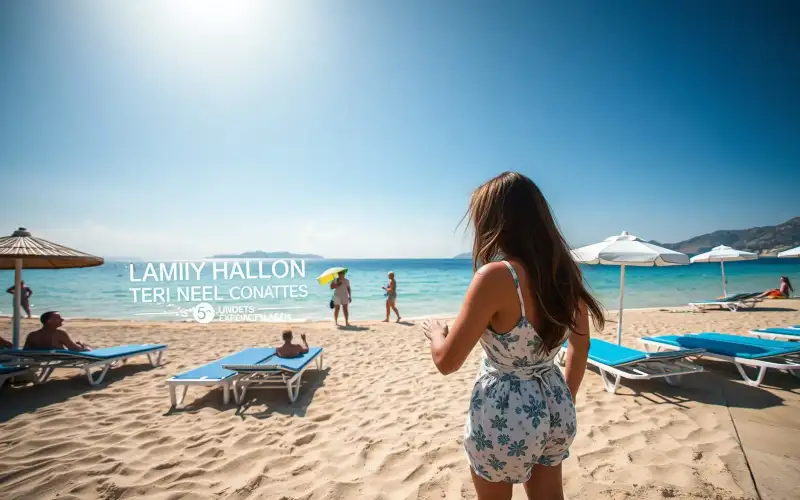
My youngest was three the first time I took him to Sunrise Beach alone. I arrived at 9:15 am on a Tuesday in July, thinking I'd timed it perfectly. I hadn't. Within twenty minutes, the beach was rammed—sun loungers three deep, music blaring from competing bars, and my son terrified of the noise. I spent the morning wedged between a stag do and a family of twelve, wondering why everyone said this place was family-friendly. That was 2015. It took me another four summers to actually crack the code.
Twelve years of visiting Protaras has taught me that Sunrise Beach isn't one beach—it's a collection of micro-spots, each with its own personality, crowd pattern, and hidden advantage. The difference between a miserable day and a brilliant one often comes down to knowing exactly where to plant your towel and what time to arrive. This guide is everything I've learned, the stuff I wish someone had told me before that chaotic Tuesday.
Overview: What You're Actually Getting at Sunrise Beach
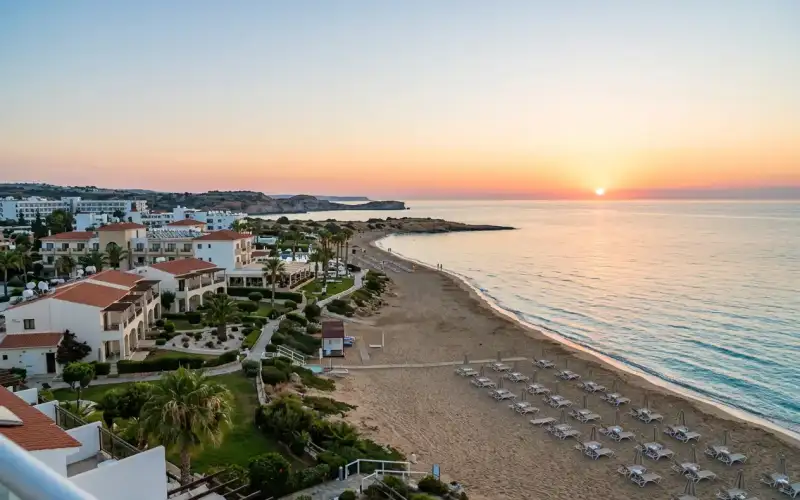
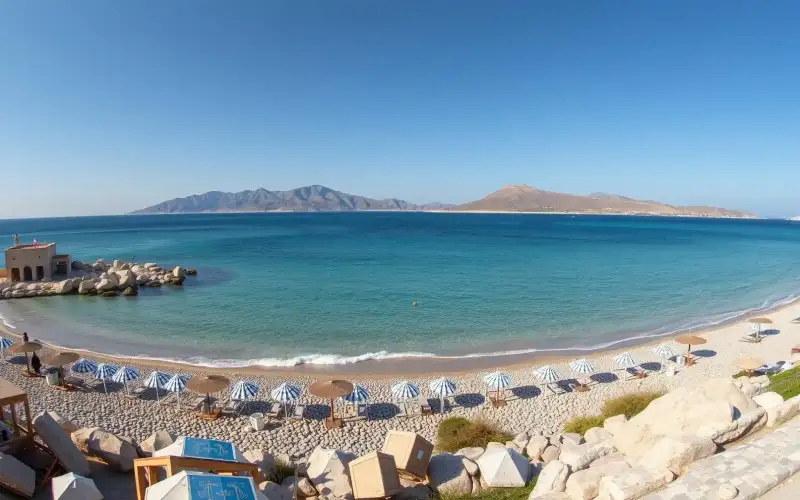
Sunrise Beach stretches for about 500 metres along the eastern edge of Protaras, running from the rocky outcrop near the old water park down to where the seafront promenade starts getting busier. It's a proper sandy beach—fine, golden sand that doesn't get too hot underfoot—with a gentle slope into the water that's ideal for small children. The water's warm from June through September, and visibility is usually excellent for snorkelling.
The beach is split into three distinct zones by the bars and facilities. The northern end (closest to the rocks) is quieter and more family-oriented. The middle section is where the main action happens—parasailing, jet-skis, banana boats, and the busiest bars. The southern end, near the promenade, is where you'll find families who've given up on peace and just want easy access to ice cream.
What makes Sunrise Beach special isn't the sand or the water—there are plenty of beaches in Cyprus that match it. What makes it special is the infrastructure. There are proper changing facilities, a decent number of sun loungers, a lifeguard in summer (usually), and enough bars and restaurants that you can actually get lunch without leaving the beach. For families, that matters. A lot.
The beach is never truly quiet—this is Protaras, not a secret cove—but there are absolutely windows when it's manageable, and spots where the noise and chaos feel miles away even when the beach is technically full.
The Best Times to Visit (And Why Timing Beats Location)
Early Morning: 7:30 am to 9:30 am
If you can get to Sunrise Beach before 8 am, you'll have it almost to yourself. The water's calm, the sand is still cool, and you can actually hear yourself think. I'm not exaggerating—I've had mornings where my family of four has had entire stretches of beach completely empty. The trade-off is that the bars don't open until 10 am, so you're bringing your own coffee, and the water temperature is noticeably cooler (still lovely, but a shock if you're used to midday warmth).
Early morning is perfect if you have young children who get tired by lunchtime. You can do two hours of uninterrupted beach time, have lunch at a taverna on the promenade, and be back at your hotel for quiet time while the midday madness happens. My son used to nap at 1 pm; we'd be back by then, and the afternoon was ours to do quieter stuff.
Midday Madness: 10:30 am to 3 pm
Avoid this window unless you specifically want the busy atmosphere. This is when the tour groups arrive, when the water sports operators are in full swing, and when every sun lounger is occupied. Parasailing, jet-ski rentals, and banana boat rides all operate at peak intensity during these hours. If you want to do water sports with your kids, this is when you'll find the most operators and the most availability—but expect to queue and pay peak prices.
That said, if you're the sort of family that enjoys a buzzy atmosphere and your kids are confident in the water, midday isn't terrible. The lifeguard is definitely on duty, there's always someone around if something goes wrong, and the restaurants are fully staffed. Just know what you're signing up for.
Late Afternoon: 4 pm to 6:30 pm
This is my sweet spot, and I've been recommending it to friends for years. The morning crowds have left, the tour groups have moved on to other attractions, and you get a second window of relative peace. The water's still warm, the light is gorgeous (genuinely, the late afternoon light at Sunrise Beach is stunning), and you can actually get a lounger without a fight. Sun loungers cost €4 to €5 in 2026, and they're much easier to come by after 4 pm.
The only catch is that some of the smaller water sports operators pack up by 4 pm, so if you want to do a jet-ski ride or parasailing, you need to arrive earlier or check what's actually operating. The main operators usually stay until sunset, but it's worth confirming.
Shoulder Seasons: May, September, Early October
If you can visit outside peak summer, do it. May and September are genuinely lovely—warm enough to swim comfortably, but the beaches are maybe 40% as busy as July and August. September especially is brilliant because the water's still warm from summer, the weather's reliably sunny, and British families tend to be back at school so the crowds are lighter. Early October can be hit or miss weather-wise, but on good days, it's nearly empty.
Where to Actually Sit: The Micro-Spots That Matter
The Quiet Northern End (Near the Rocks)
The northern section of Sunrise Beach, starting from the rocky outcrop and extending about 150 metres south, is where families with young children should aim for. It's naturally quieter because the water sports operators tend to concentrate in the middle section, and the bars here are smaller and less aggressively loud. The sand is slightly coarser, which some people find less pleasant, but it's genuinely less crowded.
There's a small family-run taverna here called Thalassa (or similar—names change, but there's always a family place at this end) that does excellent grilled fish and doesn't charge extra for using their facilities. If you're planning to spend the whole day, buying lunch here rather than bringing a packed lunch makes sense. The staff are used to families, and they'll let your kids run around a bit without making you feel unwelcome.
Arrive here by 8 am in summer, or after 4 pm, and you'll have peace. Arrive at noon, and you'll still be quieter than the middle section, but don't expect solitude.
The Middle Section (Where the Action Is)
If you want water sports—parasailing, jet-ski rentals, banana boats—you need to be in the middle section. This is where the operators concentrate, and it's where the beach is busiest. In 2026, parasailing costs around €35 to €40 per person, jet-ski rentals are €50 to €60 for 15 minutes, and banana boat rides are €15 to €20 per person. Prices vary slightly by operator and season, so ask around—sometimes you can negotiate, especially if you're booking multiple activities or going in a group.
The lifeguard is almost always in the middle section, which is reassuring if you're doing water sports with kids. The water's slightly rougher here (because of the jet-skis and boats), so it's less ideal for very small children who are nervous swimmers, but for confident kids aged 6 and up, it's fine.
The bars here are louder and more touristy. Some play dance music, some play Greek bouzouki, and some seem to be competing to see who can play the loudest. If noise bothers you, avoid this section during peak hours. If your family enjoys a party atmosphere, this is your spot.
The Southern End (Near the Promenade)
This is where the beach transitions into the busier seafront area. It's never quiet, but it's convenient if you want easy access to restaurants, ice cream shops, and the promenade itself. The sand here is slightly different—finer and a bit darker—and it gets more crowded because of the easy access. I use this end when I'm meeting friends for lunch or when my kids want to grab ice cream after the beach; I don't choose it for a peaceful morning.
Water Sports: What's Available, What's Worth It, and Safety Tips
Parasailing: The Classic Choice
Parasailing is the most popular water sport at Sunrise Beach, and for good reason—it's thrilling, relatively safe, and gives you a perspective of the beach and coastline you can't get any other way. Most operators take kids from age 12 upwards, though some will take confident 10-year-olds. Adults and teenagers absolutely love it.
The experience lasts about 15 to 20 minutes total (the actual flight is around 10 to 12 minutes), and you're towed behind a speedboat while you're suspended under a parachute. The operators are experienced and professional; I've never seen a safety incident, and the equipment looks well-maintained. Cost in 2026 is €35 to €40 per person.
Book directly with the operator on the beach rather than through your hotel—you'll get the same experience at a better price. Arrive early (before 11 am) to avoid queues. The water can be choppy in the afternoon, which makes the ride less smooth but not less safe.
Jet-Ski Rentals: For Confident Swimmers
Jet-skis are available for rent from multiple operators along the middle section of the beach. You're looking at €50 to €60 for 15 minutes in 2026. Most operators require you to be at least 18 (or sometimes 16 with parental consent) to rent a jet-ski yourself, but they do offer passenger rides where kids can go along with an adult operator for around €20 to €25 per child.
Jet-skis are noisier and more disruptive than parasailing, which is why the operators tend to concentrate them in one area. If you're sensitive to noise, stay away from the middle section when jet-skis are operating (basically all day in summer). If you want to try one, go early or late afternoon when there are fewer of them running.
Banana Boat Rides: Best for Groups
Banana boats are inflatable tubes towed behind a speedboat, and they're genuinely fun for kids aged 5 and up. The ride is bumpy, wet, and hilarious—kids love the unpredictability of it. Cost is €15 to €20 per person, and rides last about 10 to 15 minutes. Most operators will take kids as young as 4 if they can swim reasonably well and aren't nervous.
Banana boats operate throughout the day in summer. The experience is much the same whether you go at 10 am or 4 pm, so timing doesn't matter much for this one. Just pick a time when you're ready for wet, laughing kids.
Safety Notes for All Water Sports
All operators should provide life jackets (they're mandatory), and they should check that kids are wearing them properly. Don't be shy about asking questions—if an operator seems dodgy or dismissive about safety, find another one. The beach is busy enough that there are always alternatives.
Make sure your kids can swim to a basic level before doing any water sports. The operators assume competence, and if your child panics in the water, it's genuinely scary. A few swimming lessons before your holiday is worth every penny.
Facilities, Practicalities, and What to Bring
Changing Facilities and Toilets
There are proper changing facilities at Sunrise Beach—small beach huts with doors, not just open-air showers. They're basic but clean, and there's usually a small charge (€1 to €2 per person) to use them. Toilets are available, though they can get grim during peak hours. Bring hand sanitiser and teach your kids to use it.
If you're planning a full day, the changing facilities are adequate, but they're not luxurious. Expect queues during peak hours (1 pm to 3 pm). If you can change at your hotel instead, that's nicer, but it's not essential.
Sun Loungers and Umbrellas
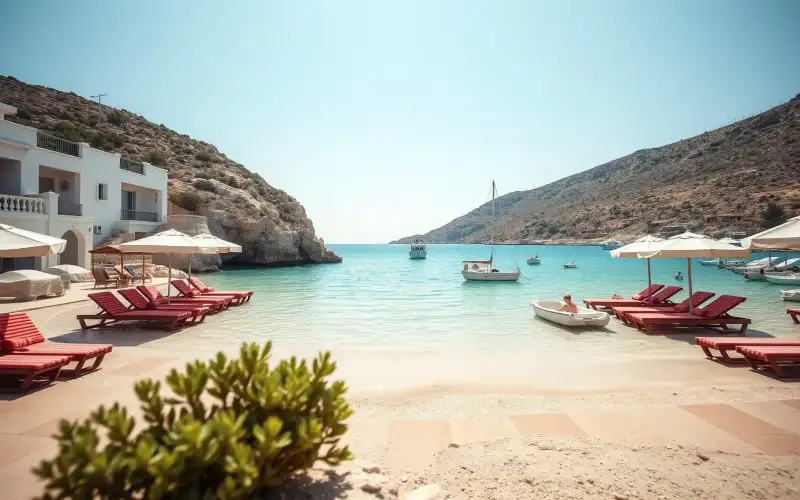
Sun loungers cost €4 to €5 each in 2026, and umbrellas are usually €3 to €4. You can rent them from any of the bars. The loungers are plastic and basic, but they're comfortable enough for a day. If you prefer your own setup, bring a beach towel and sit on the sand—plenty of families do.
Umbrellas are essential if you're visiting in July or August. The sun is intense, and even with high SPF sunscreen, kids burn quickly. I always rent an umbrella, even though I bring a parasol as well. Belt and braces.
What to Bring and What to Skip
Bring: high SPF sunscreen (SPF 50+, and reapply every two hours), a hat for your kids, a rash vest for extra sun protection, plenty of water (at least 2 litres per person), snacks, a waterproof phone case, and a basic first aid kit (plasters, paracetamol, antihistamine). Bring a change of clothes for the car journey back—wet kids in car seats are miserable.
Skip: inflatable toys (the water's busy with jet-skis and boats, and inflatables can be dangerous), expensive jewellery, valuables, and anything you can't afford to lose. Theft from beaches isn't rampant, but it happens. Leave your good watch at the hotel.
Who Sunrise Beach Is (And Isn't) For
Perfect For: Families with Confident Swimmers Aged 5+
If you have kids who can swim reasonably well and aren't nervous in the water, Sunrise Beach is excellent. The facilities are good, the water's warm and safe, and there's enough going on (water sports, restaurants, bars) to keep a family entertained for a full day. The beach is busy, but that's part of the appeal for some families—there's always something to watch.
Great For: Couples Seeking Water Sports
If you're a couple without young kids and you want to do parasailing, jet-skis, or banana boats, Sunrise Beach is perfect. It's got everything in one place, the operators are professional, and the atmosphere is fun without being rowdy.
Also Good For: Returning Protaras Regulars Who Know the Rhythms
If you've been coming to Protaras for years, you probably already know when to visit and where to sit. Sunrise Beach rewards familiarity—the more you visit, the more you understand its patterns and can time your visit to avoid the worst of the crowds.
Less Ideal For: Very Young Children (Under 4) or Nervous Swimmers
If you have toddlers or kids who are nervous in the water, there are quieter, smaller beaches in Protaras that might suit you better. Sunrise Beach's size and busyness can be overwhelming for very young children, and the water sports activity (especially jet-skis) can be frightening for nervous swimmers. Fig Tree Bay, just south, is smaller and feels more intimate.
Not For: Anyone Seeking Solitude
If you want a quiet, secluded beach experience, Sunrise Beach isn't it, even at its quietest. There will always be people, noise, and activity. Accept that going in, and you'll have a great time. Expect silence, and you'll be disappointed.
The Real Verdict
Sunrise Beach is brilliant, but only if you approach it strategically. It's not a one-size-fits-all destination—the experience at 8 am is completely different from the experience at 2 pm, and the experience in September is completely different from July. The families who have the best time are the ones who understand this and plan accordingly.
My honest take after 12 summers: Sunrise Beach is worth visiting multiple times during a holiday. Go early morning once for peace and a proper swim. Go late afternoon once for the light and the second-wind atmosphere. If you want water sports, go midday and embrace the chaos. If you want to relax, avoid midday entirely. If you're visiting in July or August and you hate crowds, come back in September.
The beach itself is genuinely lovely—the sand is nice, the water's warm, and the setting is beautiful. The facilities are good enough, the food's decent, and the water sports operators are professional. What transforms it from
Comments (3 comments)