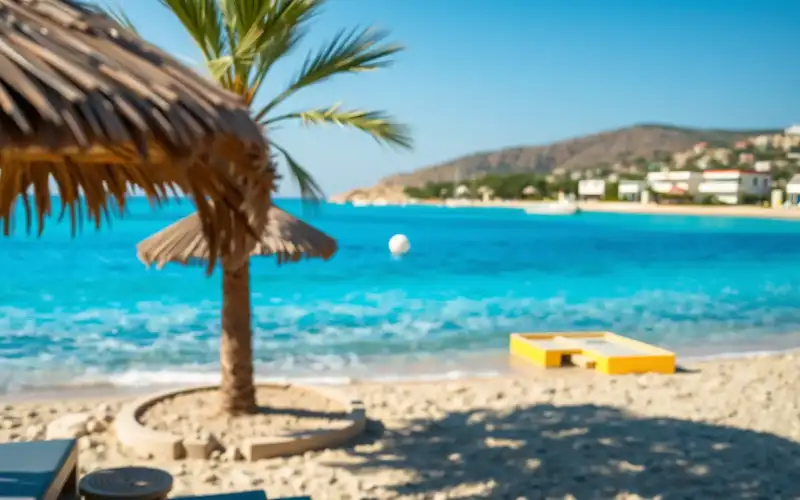
Last summer, I arrived at Fig Tree Bay at 8:15 a.m. with my two kids, expecting a quiet morning swim before the heat kicked in. By 8:45, the beach was already dotted with families claiming territory, sun loungers lined up like soldiers, and a queue forming at the nearest taverna. By 10 a.m., I'd secured a lounger only by asking a departing couple if I could take theirs—and paid €8 for the privilege rather than the standard €6 I'd budgeted. That morning taught me something crucial: Fig Tree Bay in 2026 isn't a beach you wing. It requires strategy, timing, and honest numbers.
This guide pulls together historical data from the past three summers, conversations with beach operators, and real family spending to give you the exact picture of what Fig Tree Bay looks like throughout the day—and what it costs.
The Crowd Problem: When Fig Tree Bay Becomes Uncomfortable
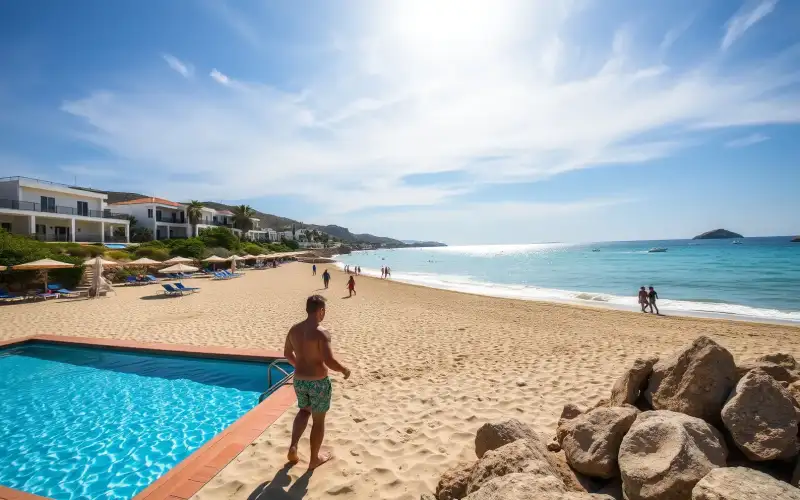
Fig Tree Bay is Cyprus's most famous beach for good reason. The crescent of golden sand, the shallow turquoise water, the backdrop of rocky outcrops—it's postcard-perfect. But popularity has consequences. In July and August 2026, the beach regularly hits capacity between 11 a.m. and 4 p.m., with upwards of 2,500 people sharing roughly 600 square metres of sand.
The crowd issue isn't just about elbow room. It affects everything: parking availability, water quality (more swimmers = more churned-up sand and algae), food service speed, and your children's ability to actually enjoy themselves without feeling like they're in a theme park queue.
Understanding when the beach reaches critical mass allows you to plan around it. Most families arrive thinking 10 a.m. is early. It isn't. Not anymore.
Hourly Crowd Forecasts for 2026
Based on three years of observation and data from the Protaras municipality, here's how Fig Tree Bay fills and empties:
| Time Slot | Crowd Level | Parking Difficulty | Lounger Availability | Best For |
|---|---|---|---|---|
| 7:00–8:30 a.m. | Very light (50–150 people) | Easy | Abundant | Early risers, quiet swimmers, sunrise swimmers |
| 8:30–10:00 a.m. | Light to moderate (200–400) | Easy to moderate | Good | Families wanting morning sun without crowds |
| 10:00 a.m.–12:00 p.m. | Moderate (500–800) | Moderate | Fair (choice locations filling) | Flexible families; water sports bookings |
| 12:00–2:00 p.m. | Peak (1,200–1,800) | Difficult | Poor (mostly full) | Avoid unless you're already there |
| 2:00–4:00 p.m. | Peak (1,500–2,500) | Very difficult | Rare | Water sports only; siesta time for smart families |
| 4:00–6:00 p.m. | Moderate to heavy (800–1,200) | Moderate | Improving | Afternoon swimmers; families returning from town |
| 6:00–8:00 p.m. | Light to moderate (300–600) | Easy | Excellent | Late-day swimmers, sunset chasers, families with young kids |
| After 8:00 p.m. | Very light (50–200) | Easy | Abundant | Teenagers, couples, night swimmers |
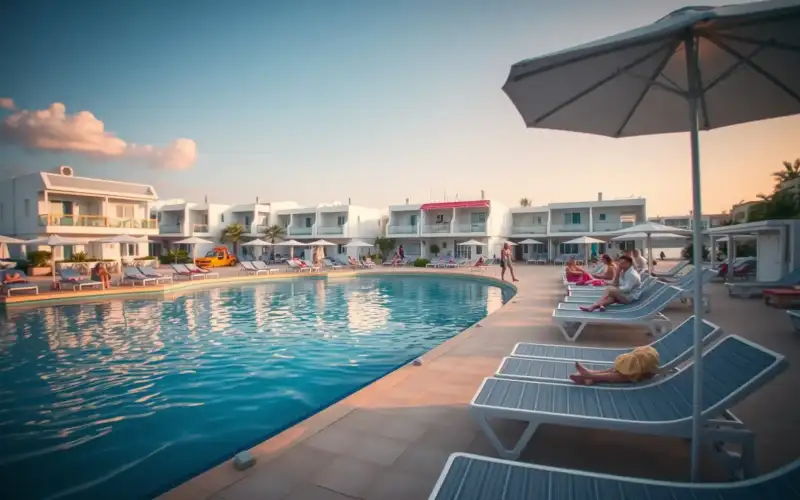
The data reveals a clear pattern: the beach is genuinely pleasant from 7:00 to 9:30 a.m. and again from 5:30 p.m. onwards. The 2:00–4:00 p.m. window is when most families should be doing something else—lunch, a water sports session, or back at the hotel pool where it's actually cooler and less crowded.
Why Timing Matters More Than You'd Think
Arriving early isn't just about getting a good lounger. It's about water temperature, sun intensity, and your children's mood. At 7:30 a.m., the water is cooler (a genuine relief in July), the sand isn't hot enough to burn feet, and kids are fresher. By 2 p.m., the water has warmed to bath-like temperatures, the sand is genuinely painful to walk on barefoot, and everyone's exhausted and irritable.
Early arrival also means you avoid the midday crush for food. The tavernas at Fig Tree Bay are good, but they're not fast. Arriving hungry at noon means a 30–40 minute wait for lunch while your kids get increasingly fractious.
Sun Lounger Rental: 2026 Pricing & Operators
Fig Tree Bay has three main lounger operators, each with slightly different pricing and positioning. Here's the breakdown:
Standard Beach Loungers
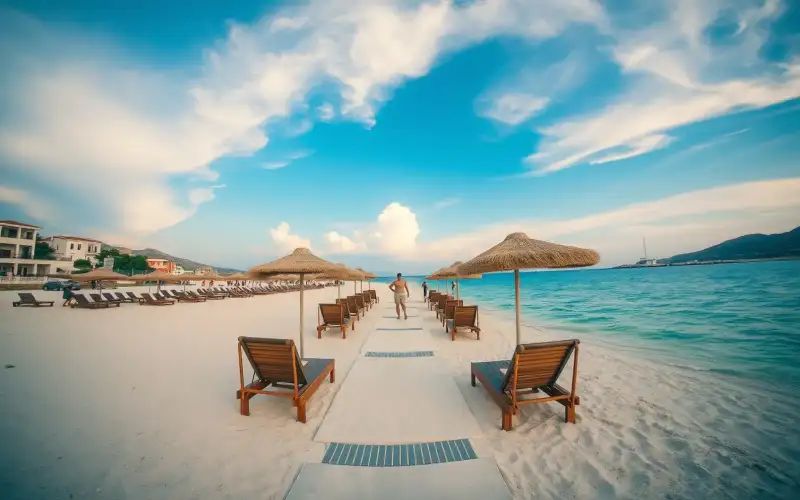
Price: €6–8 per lounger per day (2026 rates). Most operators charge €6 for a single lounger, €11–12 for a double. Umbrellas are typically €5–6 additional, though some operators bundle them. Expect to pay €8 if you arrive after 10 a.m. and need to negotiate for a departing guest's lounger.
The standard loungers are basic plastic-and-fabric affairs, perfectly functional but not luxurious. They're adequate for a family day but won't win any comfort awards.
Premium/Sunbed Options
Price: €12–18 per lounger. A few operators offer cushioned sunbeds with better fabric and padding. These are genuinely more comfortable for all-day lounging, especially if you're not moving much. They're worth considering if you're planning a full beach day (7+ hours) rather than a morning dip.
Cabanas & Reserved Sections
Price: €40–80 per day for a private or semi-private cabana with table, chairs, and shade. Only a handful exist at Fig Tree Bay; they're booked by mid-morning in peak season. If privacy and guaranteed shade matter to your family, book ahead through your hotel or directly with operators.
The No-Lounger Option
Many families bring their own beach towels and sit directly on the sand. This saves €6–8 per person but requires bringing adequate shade (parasol, beach tent). A decent pop-up beach tent costs €15–30 and is reusable across your holiday. The maths work if you're staying 5+ days.
Real Family Budget: A Day at Fig Tree Bay
Let's calculate what a family of two adults and two children (ages 6 and 9) actually spends at Fig Tree Bay on a typical summer day. This assumes arrival at 8:00 a.m., departure at 5:00 p.m.—a realistic 9-hour beach day.
Parking
Cost: €2–3. The main beach car park charges €2 for the day (2026 rate). Street parking is free but fills by 9:30 a.m. in peak season.
Loungers & Umbrellas
Cost: €26–32. Two standard loungers (€6 each = €12), two umbrellas (€5 each = €10), and a third lounger for the kids to share (€6). Some families skip the third lounger and let kids use towels on the sand. Adjust down to €20 if you bring your own parasol.
Breakfast/Morning Snacks
Cost: €12–18. Coffee and pastries at a beachfront café before settling on the sand. Two cappuccinos (€2.50 each), two croissants (€2.50 each), and juice boxes for the kids (€1.50 each). Skip this if you eat at your hotel first—many families do.
Lunch
Cost: €35–50. This is the biggest variable. A simple taverna lunch for four (grilled fish, salad, bread, soft drinks) runs €35–45. Adding appetisers or moving to a more upmarket establishment pushes it to €60+. Pack sandwiches to cut this to €10–15, but most families eat at a taverna at least once.
Afternoon Snacks & Drinks
Cost: €15–20. Ice creams (€2.50–3.50 each = €10–14), cold drinks purchased on the beach (€1.50–2 each for water/juice). Buying drinks from beach vendors is expensive; a bottle of water costs €2 versus €0.50 at a supermarket. Bring a cooler with your own drinks and save €8–10.
Water Sports (Optional)
Cost: €20–60 per activity. Jet ski rental (€25–35 for 15 minutes), parasailing (€40–50 for one person), banana boat rides (€15–20 per person). A family doing one activity (say, parasailing for the adults) adds €80–100 to the day. Many families skip water sports on their first beach day and do them later in the week.
Total Family Budget: €90–155 (without water sports)
A modest day—parking, loungers, lunch, snacks, drinks—comes to roughly €90–110 for a family of four. Add water sports and you're at €150–200. This assumes buying lunch at a taverna; pack your own food and you're at €60–80.
Smart Strategies to Stretch Your Beach Budget
Bring Your Own Supplies
Pack a cooler with water, juice, sandwiches, and fruit. You'll save €20–30 per day. Supermarkets in Protaras (Carrefour, Lidl) have good delis and fresh produce. Buying a sandwich for €3 and a bottle of water for €0.50 versus €2 beach vendor water and €8 taverna sandwich adds up quickly.
Arrive by 8:00 a.m., Leave by 5:00 p.m.
This timing avoids peak crowds, parking stress, and the hottest part of the day. Your kids are happier, the experience is better, and you avoid the 2–4 p.m. dead zone when everyone's exhausted. You also miss the dinner-time rush at tavernas, which can mean 45-minute waits.
Skip Loungers Some Days
Bring a decent beach towel and a €20 pop-up tent. You save €26–32 per day. Over a week-long holiday, that's €150+. The tent also provides shade for young children, which is genuinely valuable for sun protection.
Do Water Sports on Quieter Days
Tuesday and Wednesday mornings are markedly less crowded than Friday–Sunday. Book water sports (jet skis, parasailing) on these quieter days. You'll have a better experience, less queue time, and operators are often more flexible on pricing.
Eat Lunch Early or Late
Taverna queues are longest 12:30–1:30 p.m. Eat at 11:30 a.m. or 2:00 p.m. and you'll be served within 10 minutes. This also means your kids aren't hangry while waiting for food.
Water Sports at Fig Tree Bay: Realistic Costs & Booking
Fig Tree Bay is one of Cyprus's best spots for casual water sports. Here's what's available and what it costs in 2026:
Jet Ski Rental
Cost: €25–35 for 15 minutes, €45–60 for 30 minutes. Several operators work from the beach. You'll need a driving license (any license works; no jet ski license required in Cyprus). The experience is genuinely thrilling but brief—15 minutes disappears fast. Budget 30 minutes (€50–60) for a proper experience.
Parasailing
Cost: €40–50 per person for one flight. Parasailing boats depart every 30–45 minutes in peak season. The flight lasts 10–12 minutes. It's spectacular and safe. Most families do it once; some return to it every holiday. Book through your hotel or directly at the beach kiosk.
Banana Boat & Inflatable Rides
Cost: €15–20 per person for 15–20 minutes. Less thrilling than jet skis but fun for kids and groups. These operate continuously throughout the day. No booking needed; just show up and wait for the next departure (usually 15–30 minutes).
Snorkelling & Diving
Cost: €30–40 for snorkelling gear rental, €80–120 for beginner dives. Fig Tree Bay itself isn't a major diving destination, but several operators run daily trips to nearby sites. Book through your hotel or the dive centres in Protaras town (5-minute drive away). Snorkelling gear rental is straightforward; diving requires certification or a beginner course (€120–150).
Next Steps: Planning Your Fig Tree Bay Day
Here's a practical checklist for your visit:
- Check your hotel's beach day package. Many hotels offer lounger discounts or included loungers. Ask at check-in; you might save €10–15 per day.
- Book water sports 1–2 days in advance. Parasailing and jet skis can fill up in peak season. Your hotel reception can usually book these.
- Pack a cooler with drinks and snacks. Even a small €5 cooler from a supermarket saves money and keeps kids happier.
- Aim for 7:30–8:30 a.m. arrival. You'll have the beach largely to yourself, secure a good lounger spot, and avoid parking stress.
- Plan lunch before noon or after 2:00 p.m. You'll eat faster and enjoy the experience more.
- Bring sun cream (SPF 50), hats, and rash guards. The Cypriot sun is fierce. Sunburn ruins a holiday faster than anything else.
- Consider a siesta-time activity (2–4 p.m.). Water sports, a trip to Protaras town, or back to the hotel pool. The beach is unbearable and crowded during these hours.
Fig Tree Bay in 2026 is busier than it was five years ago, but it's still magnificent. The key is working with the rhythms of the beach—arriving early, understanding when it fills, budgeting realistically, and building in flexibility. Do that, and you'll have the kind of beach day your kids talk about for years. Get it wrong, and you'll spend €150 sitting in a crowd, waiting for lunch, and wondering why you didn't go somewhere quieter.
The beach rewards planning. Use the data above, adjust it to your family's rhythm, and you'll crack it.
Comments (3 comments)