
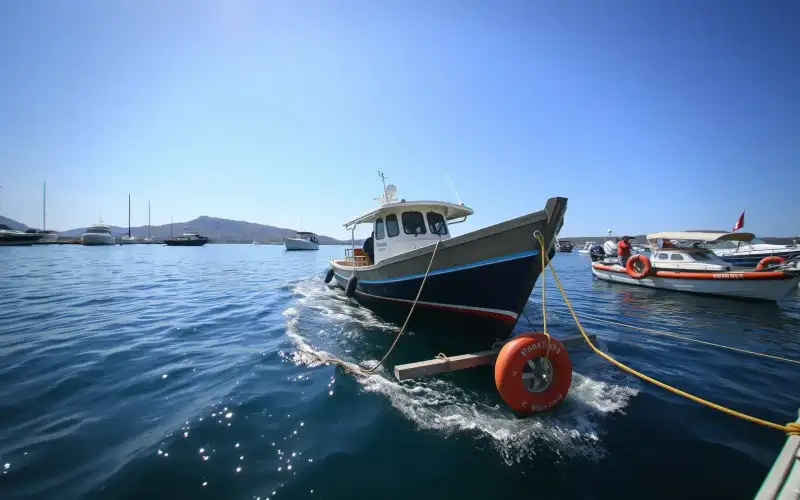
My daughter was six when she first spotted the glass-bottom boat moored at Protaras harbour, and she wouldn't leave my side until I promised we'd book it. Three hours later, she was glued to the transparent hull, watching wrasse dart beneath us and pointing out underwater rocks like she'd discovered buried treasure. That single trip became the highlight of our entire Cyprus holiday—and it cost less than a family dinner. If you're standing at Protaras harbour wondering which boat trip to choose, you're facing a genuinely lovely problem: there are excellent options for every age, budget and appetite for adventure.
The Problem: Too Many Boat Trips, Not Enough Time (and Information)
Protaras harbour buzzes with activity from May through October. On any given morning, you'll see captains calling out from the dockside, laminated menus thrust toward families, prices that vary wildly, and promises of everything from "guaranteed dolphins" to "exclusive snorkelling spots." The confusion is real. How long will it actually take? Will your five-year-old get seasick? Which trips let younger children join? Are the prices per person or per boat? And crucially—will anyone actually enjoy it, or will you spend three hours managing a bored or anxious child while the sun beats down?
Most families arrive at the harbour with vague ideas and no real plan. You see other kids on boats and think, "That looks brilliant." But without knowing the differences between a 90-minute harbour cruise and a five-hour snorkelling expedition, you might book the wrong trip entirely. Some boats are genuinely designed for young families; others cater to teenagers and adults who want serious water sports. The seasickness question alone stops many parents from committing—and it's a legitimate concern when you're responsible for small children.
The real issue isn't the shortage of options. It's the shortage of honest, practical information before you book. That's where this guide comes in.
Why This Matters: A Day at Sea Can Make or Break Your Holiday
I've watched families return from the wrong boat trip looking defeated. One parent told me their eight-year-old was bored stiff on a five-hour snorkelling expedition because she didn't actually like snorkelling. Another family booked what they thought was a quick harbour tour and ended up on a party boat with loud music and no shade for their toddler. These aren't disasters, but they're wasted money and wasted time—two things you don't have much of on a two-week holiday.
On the flip side, a well-chosen boat trip becomes a story your kids retell for years. The underwater views from a glass-bottom boat genuinely astonish children. A proper family cruise with good food and calm waters is the kind of relaxing afternoon that reminds you why you came to Cyprus. And for older kids, a snorkelling trip where they actually see fish, sea turtles or underwater caves becomes a genuine adventure.
The stakes are higher than they seem. A boat trip is one of the few activities that works across a wide age range—toddlers, teenagers, grandparents and everyone in between can enjoy the sea together. But only if you choose correctly. A bad choice means everyone's miserable. A good choice means you're sitting on a boat with your family, cold drink in hand, watching the Mediterranean stretch out in every direction, and thinking, "This is exactly why we came here."
The Main Boat Trip Types: What's Actually Available
Glass-Bottom Boats (The Best for Younger Children)
Glass-bottom boats operate year-round from Protaras harbour, with the busiest season running May to September. These are the most beginner-friendly option for families with children under ten. The boat sits in shallow water—typically 3 to 8 metres deep—and you watch marine life through transparent panels built into the hull. There's no swimming involved, no special equipment needed, and minimal seasickness risk because the water is sheltered and the boat barely moves.
Typical duration is 90 minutes to two hours. The boat leaves the harbour, cruises slowly along the coast toward Fig Tree Bay and other nearby spots, and returns. Most operators include a brief stop for swimming, though it's optional. Prices run between €18 and €25 per adult, €10 to €15 per child (ages 3–12), and children under three usually go free. That's genuinely affordable for a family of four—you're looking at £50 to £70 total.
What you actually see depends on the season and water clarity. In summer (June to August), you'll spot small fish, wrasse, the occasional grouper, and sea urchins on the rocks. In spring and autumn, visibility improves and you might see larger fish. The real magic isn't necessarily the wildlife—it's watching your child's face when they realise they're looking at actual fish swimming beneath them. One parent described her four-year-old's reaction as "better than any theme park."
The downside? The boats can feel crowded (they typically carry 40–60 passengers), the glass panels get marked and smudgy, and if the sea's rough, visibility drops. Also, if your child is prone to motion sickness, even the gentle rocking can trigger it—though this is genuinely rare on these sheltered routes.
Family Harbour and Coastal Cruises (The Sweet Spot)
These are longer, slower versions of the glass-bottom boat concept. They typically last three to four hours, include lunch or snacks, and visit multiple spots along the coast. Some have glass panels; others rely on clear water and snorkelling opportunities. They're less crowded than glass-bottom boats (usually 20–40 people) and feel more like an actual day out.
Prices are higher—roughly €35 to €50 per adult, €20 to €30 per child—but lunch is included, and you get significantly more time on the water. These trips usually depart mid-morning (around 10 a.m.) and return by 2 p.m., which fits perfectly around nap times and afternoon activities.
The appeal is the variety. You might visit a secluded beach, a sea cave, or a quiet snorkelling spot, then anchor for a proper lunch (often grilled fish, salad, bread, and local wine for adults). Children get to swim in different spots, and the pace is leisurely enough that even anxious kids relax. These trips genuinely suit families with children aged 5–14.
Snorkelling Expeditions (For Confident Swimmers, Age 8+)
Full snorkelling trips last five to six hours and are designed for people who actually want to snorkel, not just dabble. They visit deeper reefs, caves, and sometimes underwater archaeological sites. You'll need basic swimming ability and comfort with a snorkel mask. Most operators provide equipment, but bring your own if you prefer.
Prices are €45 to €70 per adult, €30 to €50 per child. Lunch is included. These trips are genuinely brilliant if your kids are strong swimmers and enjoy underwater exploration—but they're wasted money if your child just wants to splash around.
The key consideration: snorkelling requires focus and can be tiring. Children under eight often struggle with the breathing technique, and younger kids may panic if water goes up their nose. If you're unsure whether your child is ready, ask the operator honestly. Good captains will tell you whether your specific child is likely to enjoy it.
Sunset and Evening Cruises (For Older Kids and Couples)
These depart in late afternoon (around 5 or 6 p.m.) and return after dark. They're designed for relaxation and romance, with wine, music, and a gentle cruise along the coast. They're lovely for couples, but unless your children are teenagers who'll actually sit still and appreciate a sunset, they're not ideal for younger families. Prices are similar to harbour cruises (€35–50 per person).
Practical Solutions: How to Choose and Book Wisely
Match the Trip to Your Child's Age and Temperament
This is the single most important decision. Use this rough guide:
- Ages 2–4: Glass-bottom boat only. Short duration (90 minutes), no swimming required, minimal motion. Avoid anything longer or more adventurous.
- Ages 5–7: Glass-bottom boats or short family cruises (2–3 hours). These children can handle a bit more time on the water and enjoy snorkelling in very shallow areas, but they need frequent breaks and shouldn't be pushed into deep water.
- Ages 8–12: Any trip works, depending on swimming ability and interest. Strong swimmers can try snorkelling; others will prefer cruises. This is the age where boat trips become genuinely enjoyable rather than just tolerable.
- Ages 13+: Teenagers usually prefer snorkelling or more active trips. Sunset cruises appeal to older teens.
Temperament matters as much as age. An anxious seven-year-old might prefer a glass-bottom boat, while a confident five-year-old might love a family cruise. Know your child. If they get anxious in unfamiliar situations, start with the simplest option (glass-bottom boat). If they're adventurous and love water, you can be more ambitious.
Manage Seasickness Before It Starts
Most boat trips from Protaras operate in sheltered waters, so seasickness is genuinely rare. But it happens, and it ruins the day. Here's what actually works:
- Give children a light breakfast (toast, banana, juice) but nothing heavy or greasy. An empty stomach is as bad as a full one.
- Children's motion sickness tablets (ask your pharmacist for age-appropriate options) work well if given 30 minutes before boarding. Brands like Dramamine Junior are available at Protaras pharmacies.
- Ginger biscuits or ginger sweets genuinely help—bring a pack.
- Once on the boat, keep children focused on the horizon or the water below, not on the boat's movement. Watching fish through the glass panels is actually therapeutic for nausea.
- Stay hydrated. Dehydration makes motion sickness worse. Bring water bottles.
- Sit in the middle of the boat (less motion) rather than at the bow or stern.
If your child has a history of car sickness, mention it when booking. Some operators have specific seats or advice for prone passengers.
Book Through Reputable Operators
Protaras harbour has established operators who run multiple trips daily and have safety records and good reviews. Avoid random captains calling out from the dock unless you've researched them thoroughly. Reputable operators include those with fixed offices, published schedules, and consistent reviews on travel sites. Ask your hotel—they'll know which operators are reliable.
Book at least a day in advance if possible. This gives operators time to confirm numbers and prepare properly. Last-minute bookings work, but you might miss your preferred time slot.
What to Actually Bring
Pack a small bag with: sun cream (reapply every two hours), hats or caps, a light long-sleeved shirt for sun protection, sunglasses, a towel, water bottles, snacks (ginger biscuits, fruit, crackers), any motion sickness tablets, and a change of clothes for children. Leave valuables at your hotel. Boats are generally safe, but there's no point tempting fate with expensive phones or watches.
Bring a waterproof phone case if you want to take photos underwater. The glass panels on glass-bottom boats are often smudgy, so underwater photos rarely look great anyway—but the memory is what matters.
What to Expect: A Realistic Hour-by-Hour Timeline
Here's what a typical three-hour family cruise actually looks like:
9:50 a.m.: Arrive at the harbour. Find your boat (operators will direct you). Board and settle in. Children are excited and exploring.
10:00 a.m.: The boat departs. Initial excitement. Kids are glued to the railings or the glass panels.
10:15 a.m.: First snorkelling stop or glass-panel viewing. Children are engaged. You're thinking, "This was a great choice."
10:45 a.m.: Kids are getting restless. First requests for snacks. The novelty is wearing off slightly.
11:00 a.m.: Swimming break. Children are happy again. You relax for the first time.
11:30 a.m.: Lunch is served. Everyone is hungry and happy. This is the golden hour.
12:15 p.m.: Kids are full and slightly tired. They might nap or quietly watch the water. You're actually relaxing.
12:45 p.m.: Final snorkelling or viewing spot. Energy is lower, but kids will make one last effort.
1:00 p.m.: Heading back to harbour. Children are tired but happy. You're already thinking about how brilliant this was.
1:30 p.m.: Back at the harbour. Children are slightly sunburned and completely exhausted in the best possible way. They'll sleep through the afternoon.
This timeline is realistic. The magic window is between 11 a.m. and 1 p.m., when children are fed, the sun is warm, and everyone's relaxed. That's why timing matters.
Expert Tips from Families Who've Done This
I've spoken to dozens of families who've taken boat trips from Protaras. Here's what they wish they'd known:
Book glass-bottom boats in the morning. Afternoon trips are more crowded, the water clarity drops slightly, and children are already tired from beach time. Morning trips (8:30 or 9:00 a.m. departures) are calmer and clearer.
Bring a proper waterproof bag for phones. One parent watched her phone get soaked when her son knocked over a water bottle. Waterproof cases cost £8 and save heartbreak.
Don't skip the sun cream. The sun reflects off the water, and you'll burn faster than on the beach. Reapply every two hours, even on cloudy days. One father returned from a boat trip looking like a lobster and spent the rest of his holiday in pain.
Eat a proper breakfast before boarding. Skipping breakfast to save money backfires. Hungry children are grumpy children. Eat at your hotel or a nearby café, then board.
If your child is nervous, tell the captain. Good captains will let anxious children sit near them, explain what's happening, and generally make them feel safe. Bad captains ignore nervous children. Choose a boat with a captain who cares.
"We were terrified our four-year-old would hate it, but the captain let her help 'steer' the boat and explained everything we saw through the glass panels. She talked about it for months afterwards. Best £40 we spent on the entire holiday." — Sarah, Manchester
Pricing Breakdown: What You'll Actually Pay
| Trip Type | Duration | Adult Price | Child Price (3–12) | Best For |
|---|---|---|---|---|
| Glass-bottom boat | 90 mins | €18–25 | €10–15 | Ages 2–8, first-timers |
| Family harbour cruise | 3–4 hours | €35–50 | €20–30 | Ages 5–12, lunch included |
| Snorkelling expedition | 5–6 hours | €45–70 | €30–50 | Ages 8+, confident swimmers |
| Sunset cruise | 2–3 hours | €35–50 | €20–30 | Couples, older teens |
These are 2026 prices based on current operator rates. Book directly with operators at the harbour for the best rates—online booking sites often add commission. Prices include life jackets and basic equipment. Lunch is included on longer cruises but not on glass-bottom boats (though some operators offer snacks).
Red Flags: What to Avoid
Some things should make you walk away:
- Captains who can't clearly explain the trip duration or itinerary.
- Boats that look visibly unmaintained or have safety equipment that looks questionable.
- Operators who pressure you to book on the spot without letting you think about it.
- Promises of "guaranteed" wildlife sightings. The sea is unpredictable. No captain can guarantee dolphins.
- Trips with no shade. Even brief boat trips need some covered area for young children.
- Operators who dismiss your concerns about your child's age or swimming ability. If they don't take safety seriously, leave.
The Bottom Line: Which Trip Should You Actually Book?
If this is your first boat trip and you have young children (under 8), book a glass-bottom boat for 90 minutes in the morning. It's affordable, low-risk, and genuinely magical for kids. Cost: roughly £50–70 for a family of four. Time commitment: two hours total including travel to the harbour.
If your children are confident swimmers aged 8–12 and you have a full day, book a family harbour cruise with lunch included. You'll actually relax, the kids will be genuinely entertained, and everyone gets fed. Cost: roughly £100–150 for a family of four. Time: four hours on the water.
If you have teenagers or your children are experienced snorkellers, book a snorkelling expedition. They're genuinely brilliant, you'll see remarkable underwater sights, and older kids will actually appreciate it. Cost: roughly £150–220 for a family of four. Time: six to seven hours including travel.
Skip sunset cruises unless you're a couple without children or have teenagers who genuinely want to sit still and watch the sunset. For families with younger kids, they're money wasted.
The absolute best decision you can make is to ask other families at your hotel which trip they took and whether they'd book it again. Real experiences from real parents beat any guide. But now you know what questions to ask and what to expect—and that's half the battle.
Comments (4 comments)