January: The Quiet Winter Season (13°C–17°C)
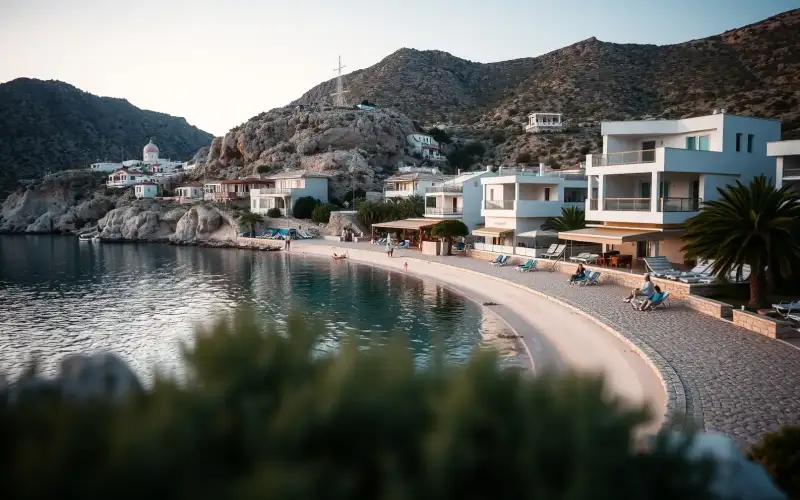
January in Protaras arrives with a hush. The summer crowds have evaporated, the tavernas still bubble with life, but the beaches stretch empty under pale winter skies. I've sat with a coffee at sunrise in mid-January and watched maybe three other people walk the entire length of Fig Tree Bay—a far cry from the shoulder-to-shoulder August scenes.
Temperatures hover between 13°C and 17°C during the day. The sea sits at around 16°C, which means swimming is possible but demands serious conviction. We've done it with the kids in wetsuits, turning it into a novelty adventure rather than casual paddling. The real draw of January isn't beach lounging—it's the absence of crowds and the chance to explore Protaras without booking restaurants three weeks ahead.
Rainfall picks up in January; expect around 60–70mm across the month, spread over 5–7 rainy days. These aren't tropical downpours, more like the steady drizzle you'd get in southern England, but they happen. Pack a compact umbrella and waterproof jackets for the kids. Indoor backup plans matter: the Protaras water parks close in winter, but the village itself offers tavernas, small shops and plenty of family-friendly indoor dining.
January suits families who value peace over sun. Toddlers handle the cooler temps fine in layers; teenagers often grumble about the lack of beach parties. It's also the cheapest month to visit—hotel rates drop 40–50% compared to summer.
February: Slightly Milder, Still Quiet (14°C–18°C)
February is January's kinder cousin. Temperatures edge up a degree or two—daytime highs reach 18°C by month's end, and the sea warms fractionally to 16–17°C. The light improves noticeably; February days feel longer than January ones, and you'll catch genuine sunshine for 5–6 hours most days.
Rainfall remains similar to January, around 50–65mm, but February often sees drier spells mid-month. I've had genuinely pleasant afternoon walks along the clifftop paths north of Protaras in late February, when the sun breaks through and you can almost convince yourself it's spring.
School half-term falls in late February in the UK, so expect a minor uptick in families—nothing like Easter or summer, but enough that hotels fill faster. Book ahead if you're planning a February half-term visit. The weather is unpredictable; bring both jumpers and light layers you can peel off.
Toddlers still need proper jackets and hats. Teenagers might finally engage with the outdoors if the sun cooperates, though beach swims remain an endurance test. The real advantage is you can eat in village tavernas without queuing, and kids' clubs at hotels often run reduced programmes but still operate.
March: Spring Arrives, Crowds Grow (15°C–21°C)
March marks a genuine shift. Spring arrives, temperatures climb toward 21°C by month's end, and the sea reaches 17–18°C—still cool but swimmable without wetsuits if you're brave. Daylight extends noticeably; sunset creeps past 7pm by late March.
Rainfall dips to around 40–50mm across the whole month. March is drier and sunnier than winter months, with 7–8 sunny days on average. The almond trees flower, adding pale pink blossoms to the scrubland around Protaras—a subtle but real shift in the landscape.
Easter holidays begin creeping in. UK schools break from mid-March onward, so families start arriving. Hotels and restaurants notice the change; booking ahead becomes sensible. Prices inch upward, but nothing like summer rates. You'll share beaches and tavernas with other families, which can be pleasant (other kids for your children to play with) or frustrating (longer waits for tables).
This is when toddlers genuinely enjoy the beach again—warm enough to build sandcastles without shivering, but not so hot they overheat. Teenagers start to engage. Families with school-age children often choose March for Easter holidays because flights are cheaper and weather is reliable enough for outdoor days.
April: Easter Chaos and Mediterranean Heat (17°C–25°C)
April is split personality. Early April can still feel springlike (17–20°C), but by mid-month, Mediterranean heat arrives. By month's end, daytime temperatures reach 25°C, and the sea climbs to 19–20°C—genuinely warm for swimming. Rainfall drops to 25–30mm, concentrated in early April; late April is often bone dry.
This is Easter holiday season across the UK, and Protaras fills up. Every hotel, taverna and beach club notices. Flights cost more, accommodation books out weeks ahead, and restaurants queue at lunchtime. The beaches get crowded, especially weekends and school holidays (usually mid-April). If you're planning an April visit, book in January.
The upside: weather is genuinely lovely. Kids can swim comfortably, days are warm and dry, and the village buzzes with energy. Families with older children thrive in April. Toddlers need careful sun protection—the UV index jumps significantly compared to winter months—but the warmth is pleasant for them.
Late April is actually a sweet spot if you can avoid school holidays. You get summer-like weather without the August crush. Prices are moderate. Tavernas aren't heaving. It's one of my favourite months to visit with a family who can avoid the main Easter week rush.
May: Warmth Without Summer Madness (20°C–28°C)
May is when Protaras truly awakens. Daytime temperatures range from 20°C to 28°C, the sea reaches 21–22°C, and rainfall drops to just 10–15mm across the entire month—essentially dry. You'll get 10–11 hours of daylight and sunshine dominates the weather pattern.
This is the sweet spot for many families. Schools haven't broken yet (in the UK, half-term is late May, and main summer holidays don't start until mid-July), so beaches and restaurants remain manageable. Prices are noticeably lower than June or July. The weather is genuinely reliable and warm. It's the month I'd recommend to families who want guaranteed sun without the peak-season chaos.
The sea is finally warm enough for toddlers to splash about without wetsuits. Teenagers are happy because the weather is hot enough for real beach days. Water parks reopen, and the village fills with life, but not to August levels. You can get a table at a taverna without booking days ahead.
Late May bank holidays (depending on your location in the UK) might bring minor crowds, but nothing compared to July or August. Pack light, breathable clothing, sun cream SPF 50+ for the kids, and hats. Evenings are warm enough for outdoor dining.
June: The Heat Builds, Families Multiply (23°C–31°C)
June brings real summer. Daytime highs climb from 23°C to 31°C, the sea warms to 23–24°C, and rainfall becomes virtually non-existent (5–10mm at most). Days stretch to nearly 15 hours of daylight. The sun is intense; UV index reaches 8–9 (very high).
UK summer holidays begin mid-to-late June. Families with school-age children flood in. Flights cost more, hotels charge peak rates, and popular tavernas require reservations. Beaches, especially Fig Tree Bay, get noticeably busier. That said, June isn't quite July or August—there's still space to move, and you can usually eat without weeks of advance planning.
The weather is reliable and hot. Kids love it; toddlers need strict sun protection and midday shade is essential. Teenagers thrive. Water parks are at full capacity, and the sea is genuinely warm and inviting. Late evening meals outdoors are wonderful, with breezes rolling off the sea and temperatures still comfortable at 9pm.
If you visit in June, choose late June if possible—after local schools break but before the absolute peak arrives. Book restaurants ahead and plan beach visits for early morning (before 10am) to beat crowds and heat.
July: Peak Season Heat and Crowds (25°C–34°C)
July is the hottest month. Daytime temperatures regularly hit 32–34°C, sometimes pushing higher. The sea reaches 24–25°C—genuinely Mediterranean warm. Rainfall is essentially zero. Daylight stretches past 8pm, and the sun dominates the sky.
This is peak tourism season. Every beach is crowded. Every taverna is booked. Hotels charge maximum rates. Flights are expensive and often full. If you're planning a July visit, book months ahead. The village pulses with activity—tourists, families, teenagers on holiday, couples seeking summer breaks. It's vibrant and energetic, but also intense.
Toddlers struggle with the heat. Midday temperatures are genuinely dangerous for small children; you'll spend 12–2pm indoors or in heavy shade, near water. Older kids and teenagers thrive—the sea is warm, water parks are packed but fun, and the social scene is active.
The real advantage of July is guaranteed, scorching weather. If you want a proper summer holiday with guaranteed sunshine, July delivers. The downside is crowds, cost and heat intensity. Many families with young children choose other months specifically to avoid July's extreme temperatures.
August: Peak Heat Continues, Slight Respite Mid-Month (26°C–35°C)
August mirrors July in temperature (26–35°C, occasionally higher) but often feels slightly less crowded mid-month. Some European families take holidays early or late August, creating a brief window of relative calm around mid-August—though it's still busy by any normal standard.
Sea temperature peaks around 25–26°C—the warmest of the year. Rainfall remains zero. The heat is intense; locals largely retreat indoors during midday hours. If you visit in August, structure your day around the heat: early beach visits (6–9am), long lunches indoors with air-conditioning, siesta time (2–5pm), and evening activities from 6pm onward when temperatures drop slightly.
Toddlers genuinely suffer in August heat. Nap times are essential, hydration is critical, and sun protection is non-negotiable. Older kids and teenagers manage better, though even they need careful heat management. Water parks and sea swimming become essential for cooling off rather than leisure activities.
Prices remain at peak levels. Restaurants are packed. Beaches are crowded. If you must visit in August, choose a hotel with a good pool (essential for cooling off), book restaurants well ahead, and plan indoor activities for the hottest hours. Late August sometimes sees slight price drops and reduced crowds as peak holiday season winds down.
September: Heat Begins to Ease (23°C–32°C)
September is a transition month. Early September feels much like August—temperatures still 30–32°C, the sea still 25–26°C, heat intense. But by mid-September, temperatures drop noticeably toward 23–27°C, and rainfall begins to creep back in (around 20–30mm across the month).
UK families return to school mid-September, so crowds drop sharply from mid-month onward. Early September remains busy; late September becomes genuinely quieter. Prices begin to drop mid-month. It's a good window for families who can travel in late September—warm weather without peak-season heat or crowds.
Late September is excellent for families with primary-age children. Weather is warm and reliable, but not dangerously hot. Beaches and restaurants are busy but not rammed. Prices are moderate. The sea is still warm from summer. Toddlers handle the temperatures comfortably.
This is when I'd seriously consider visiting if I had school-age children. The sweet spot is late September (post–school holidays, pre-October half-term). Book a week here and you'll find pleasant weather, manageable crowds and good value.
October: Autumn Arrives, Temperatures Drop (19°C–28°C)
October sees genuine seasonal change. Early October remains warm (26–28°C), but by month's end, temperatures drop to 19–23°C. Rainfall increases to 40–50mm across the month—more days with light showers, though nothing extreme. Daylight shortens; sunset moves back to before 7pm.
UK half-term holidays (late October) bring a minor crowd surge, but nothing like Easter or summer. Early October is quiet and warm; late October is cooler but still pleasant. Prices remain moderate. Hotels and restaurants have plenty of availability.
Early October is genuinely lovely—warm enough for swimming, dry enough for beach days, crowds light enough to breathe. This is an underrated month. Late October suits families who enjoy slightly cooler weather and don't mind occasional rain. Teenagers are fine; toddlers need light jackets.
The sea temperature drops from summer highs to around 21–22°C by month's end—still warm enough for swimming but noticeably cooler than summer. Pack a mix of warm and cool clothing; mornings and evenings require a jumper, but midday is still pleasant in light clothes.
November: Transition to Winter (14°C–22°C)
November is autumn fading to winter. Daytime temperatures range from 14°C (early mornings) to 22°C (midday), and the sea cools to 19–20°C. Rainfall increases noticeably—around 70–80mm across the month, spread over 6–8 days. Daylight shortens; sunset is now before 5:30pm.
This is genuinely quiet. Schools are in session, families don't holiday in November, and Protaras reverts to a quieter pace. Restaurants and hotels are noticeably less busy. Prices drop significantly. The weather is unpredictable—you might get sunny days (perfectly pleasant in a jumper) or rainy stretches (when you'll want indoor plans).
November doesn't suit families with young children who want guaranteed beach days. It suits couples and families seeking a quieter break who don't mind variable weather. Toddlers need proper jackets; teenagers find it too cool for comfortable swimming.
Advantages: low prices, minimal crowds, authentic village atmosphere. Disadvantages: weather is unreliable, shorter days mean less outdoor time, and sea swimming is uncomfortable without a wetsuit. If you're flexible on weather and want genuine peace and quiet, November works.
December: Christmas Season Begins (13°C–18°C)
December is split. Early December is autumn-like—13–16°C, occasional sun, around 60mm rain. Then Christmas holidays arrive, and the character shifts. Late December sees families arriving for the school holidays, prices rise, and restaurants fill up.
Early December is quiet and cool—not ideal for beach holidays but pleasant for exploring the village, eating well and enjoying Protaras without crowds. Late December (from around December 20 onward) brings holiday visitors, higher prices and a festive buzz.
Sea temperature drops to around 16°C—only for the determined swimmer. Rainfall is moderate to high—around 70mm across the month. Daylight is at its shortest; sunset arrives before 4:45pm. Pack waterproof jackets and warm layers.
Late December suits families who celebrate Christmas abroad and want mild weather plus village atmosphere. The downside is cost and holiday-season crowds. Early December suits those seeking peace and quiet. Toddlers handle cool weather fine in layers; teenagers find it too cool for beach activities.
Month-by-Month Weather Comparison
Here's a quick reference table for planning:
| Month | Daytime Temp | Sea Temp | Rainfall | Crowd Level | Best For |
|---|---|---|---|---|---|
| January | 13–17°C | 16°C | 60–70mm | Very Low | Peace and quiet, budget seekers |
| February | 14–18°C | 16–17°C | 50–65mm | Low | Mild winter, fewer crowds |
| March | 15–21°C | 17–18°C | 40–50mm | Moderate | Early Easter, spring weather |
| April | 17–25°C | 19–20°C | 25–30mm | High | Easter holidays (book early) |
| May | 20–28°C | 21–22°C | 10–15mm | Moderate | Warm, pre-summer, great value |
| June | 23–31°C | 23–24°C | 5–10mm | High | Warm, reliable, school holidays begin |
| July | 25–34°C | 24–25°C | 0–5mm | Very High | Guaranteed heat, peak season |
| August | 26–35°C | 25–26°C | 0–5mm | Very High | Hottest month, peak tourism |
| September | 23–32°C | 25–26°C | 20–30mm | High early, Low late | Late September: quiet and warm |
| October | 19–28°C | 21–22°C | 40–50mm | Low to Moderate | Early October: warm and quiet |
| November | 14–22°C | 19–20°C | 70–80mm | Very Low | Quiet, budget, unpredictable weather |
| December | 13–18°C | 16°C | 60–70mm | Low early, High late | Christmas holidays, mild winter |
Practical Wardrobe Planning by Season
Winter (January–March)
Pack waterproof jackets, warm jumpers, long trousers and closed shoes for all family members. Toddlers need hats and gloves for early mornings and evenings. Bring an umbrella and waterproof bag for wet days. Light layers work better than heavy coats—mornings are cool but midday can be surprisingly warm. Include one pair of shorts and t-shirts for sunny afternoons.
Spring (April–May)
Transition to lighter clothing. Pack t-shirts, shorts, light trousers and one warm layer for evenings. Sun protection becomes critical—sun cream SPF 50+, hats and sunglasses for all. Include a light cardigan for air-conditioned restaurants. Toddlers need rash vests or UV-protective swimming shirts. One light waterproof jacket covers occasional April showers.
Summer (June–August)
Minimal clothing: t-shirts, shorts, summer dresses and sandals. Essential items: high-SPF sun cream (apply multiple times daily), wide-brimmed hats, sunglasses and rash vests for water activities. Pack lightweight, breathable fabrics in pale colours to reflect heat. Include one thin cardigan for heavily air-conditioned indoor spaces. Bring a sarong or light cover-up for sun protection.
Autumn (September–November)
Return to layering. Pack t-shirts, light jumpers, trousers and one waterproof jacket. Early autumn (September) is warm enough for shorts; late autumn needs long trousers. Bring sun cream for sunny days, but also rainwear for wet stretches. Include closed shoes and socks for cooler months. Toddlers need a proper jacket by October.
Rainy Day Backup Activities
Winter and autumn months bring occasional rain. Here's what works with kids in Protaras when weather turns wet:
- Taverna lunch crawls—Take the family to a taverna, settle in for two hours, order mezze, let kids play nearby while you eat slowly. Most tavernas are welcoming and unbothered by lingering families.
- Indoor shopping—The Protaras village centre has small shops, bakeries and cafes. Wander, browse, grab pastries, spend time in air-conditioned spaces.
- Water parks—Open year-round (though with reduced hours in winter). Rainy days are actually quieter at water parks; the weather rarely stops operations.
- Beach exploration—Light rain rarely stops beach walks. Pack waterproofs and explore rock pools, search for shells and enjoy emptier beaches.
- Hotel pools—Most family hotels have indoor or covered pool areas that operate year-round.
- Local museums and cultural sites—Small museums in nearby towns, churches and archaeological sites offer rainy-day alternatives.
Toddlers Versus Teenagers: Which Months Suit Whom
Best Months for Toddlers (18 months–5 years)
May, June and September suit toddlers best. Weather is warm but not dangerously hot, sea temperature is comfortable, and the village is busy enough to have other children around but not so crowded it's overwhelming. Avoid July and August if possible—heat management becomes exhausting. Winter months (January–March) are too cool for comfortable beach play.
Best Months for Families with School-Age Children (5–12 years)
Late May, late September and October are ideal. Kids can swim comfortably, weather is reliable, and crowds are manageable. Easter holidays (April) work if you book early. June is pleasant but starts to get pricey and crowded. July and August suit sun-loving kids but demand careful heat management and cost significantly more.
Best Months for Teenagers (13+)
May through October all work well. Teenagers love the guaranteed sun of June–August, though crowds and peak pricing are downsides. Late May, September and early October offer warm weather with fewer crowds—better for teenagers seeking a more authentic experience rather than tourist-heavy beaches.
Final Thoughts: Choosing Your Month
There's no universally perfect month—it depends on your priorities. If you want guaranteed sun, accept July and August but book months ahead and plan around the heat. If you want warmth without crowds, May, late September or early October are excellent. If you value peace and budget, winter and early spring offer that, with the trade-off of cooler temperatures and occasional rain.
The key is matching the month to your family's needs. A family with a toddler and heat-sensitive temperament should avoid July and August entirely. Teenagers seeking a party atmosphere should pick June or July. Families wanting relaxation without stress should look at May or late September. Budget-conscious families should consider November, January or February.
I've visited Protaras in every month, and I genuinely enjoy different things about each season. The packed summer beaches have their appeal, but so do the quiet January mornings and the genuine warmth of late May without the crush. Pick what suits your family, book accordingly, and you'll have a brilliant holiday regardless of season.
Comments (5 comments)