
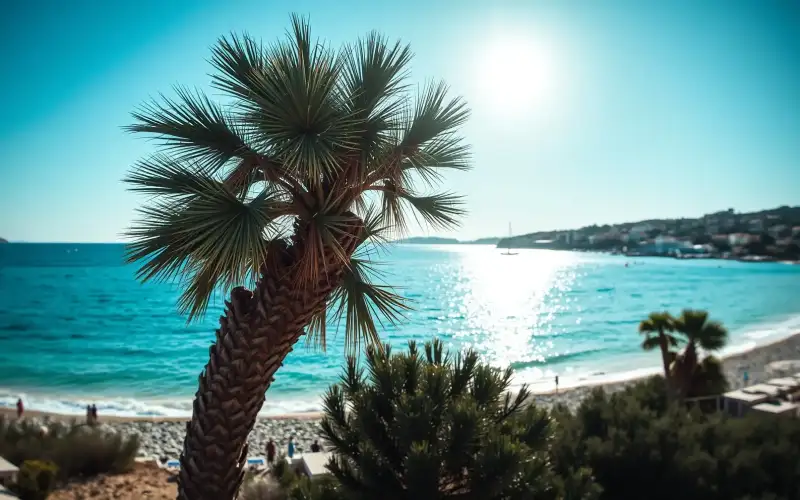
Last August, I watched my six-year-old spend forty-five minutes trying to claim a patch of sand at Fig Tree Bay. Forty-five minutes. Not swimming. Not building sandcastles. Just... looking for space. By September, when we returned for a quieter week, he owned half the beach by mid-morning. That single shift taught me everything about why Fig Tree Bay's reputation has become so complicated for families in 2026.
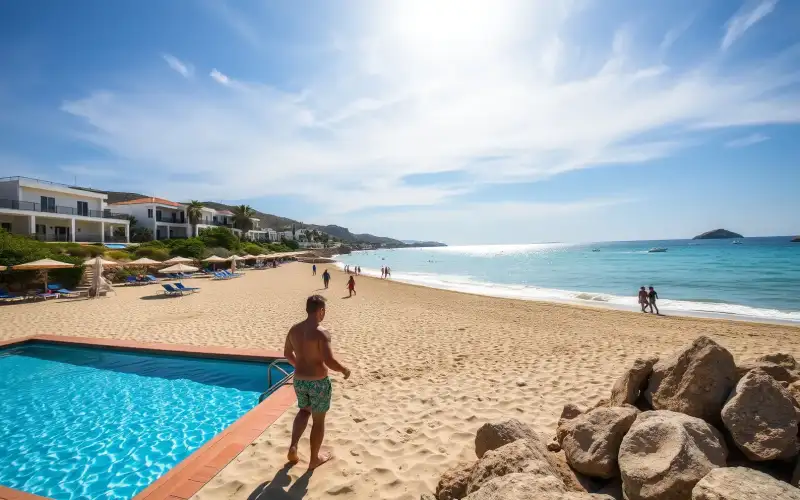
Fig Tree Bay is still stunning. The horseshoe of golden sand, the crystalline water, the dramatic rocky outcrops—it's genuinely one of the Mediterranean's best family beaches. But "best" and "most crowded" have become almost synonymous, and that changes everything about whether it's actually worth your holiday time and money.
The Reality Check: What Fig Tree Bay Actually Is in 2026
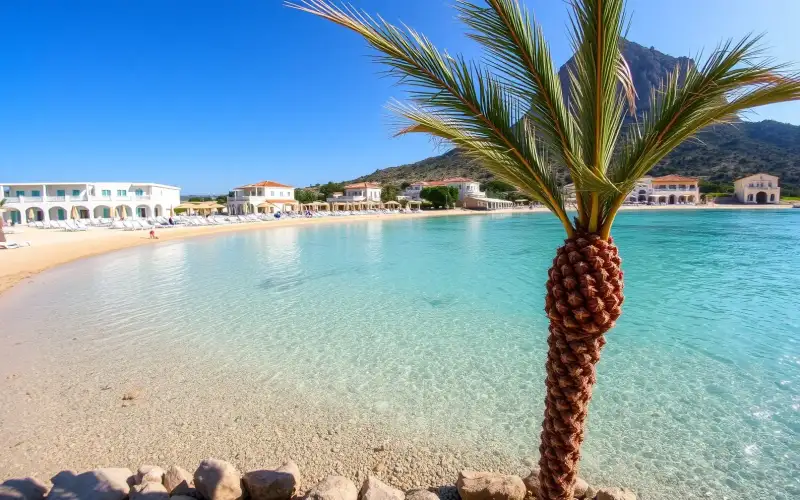
Fig Tree Bay hasn't changed much physically since it became Instagram-famous a decade ago. The beach itself is roughly 300 metres wide, with a gentle slope that makes it genuinely safe for young swimmers. The water stays warm well into November—I've measured it at 22°C in late October, which is perfectly swimmable for kids without constant complaints.
What has changed is the volume. During peak season (June through September), you're sharing that 300-metre stretch with thousands of other people. I'm not exaggerating. On a typical August afternoon, the beach can hit 4,000–5,000 visitors. That's not a guess—the local council started monitoring capacity in 2024 after safety concerns, and the numbers are public.
Prices have followed the crowds upward. A basic beach lounger and umbrella set now costs €8–12 per day, up from €5–6 five years ago. A family of four spending a full day there—loungers, food, drinks, ice cream—will easily drop €80–120. For comparison, quieter beaches like Konnos or Louma cost the same or less but feel like you've discovered a secret.
The infrastructure hasn't scaled with demand. There are two main tavernas on the beach and a small café. During peak hours, you're queuing 20 minutes for a sandwich. Toilets are adequate but not luxurious, and parking fills by 10 a.m. in summer, forcing you into side streets and a 10-minute walk back.
Why Families Still Come—And Should, Sometimes
It Genuinely Is Excellent for Young Swimmers
Let's start with the honest advantage: Fig Tree Bay is one of the safest, most child-friendly beaches in Protaras. The seabed slopes gradually for a good 30 metres, so your four-year-old can wade chest-deep without you losing your mind. There are no rocks hidden in the shallows, no sudden drop-offs. Lifeguards are present daily during summer months, and the beach has been EU Blue Flag certified for years, meaning water quality is monitored and genuinely excellent.
My eldest learned to swim confidently here because the conditions are forgiving. The water is clear enough to see the bottom 3 metres out, which matters psychologically when you're teaching a nervous child. Compare that to some Mediterranean beaches where visibility is murky and the slope is steeper, and you understand why families specifically choose this one.
The Social Element Matters More Than You'd Think
Yes, crowds are annoying. But there's an odd silver lining: your kids will find other kids to play with instantly. If you have shy children or only children, Fig Tree Bay's density means they're almost guaranteed to make temporary friends within minutes. My middle daughter, who's normally reserved, spent an entire afternoon building a sandcastle with a group of Dutch children she'd never met.
The beach also has a particular character—it attracts families far more than party crowds. You see multigenerational groups, couples with toddlers, extended families. It's not the kind of beach where you're surrounded by hen parties or spring breakers. That matters for the overall vibe, even if the total number of people is high.
The Views and Setting Are Legitimately Special
The rock formations at either end of the beach create a natural amphitheatre effect. The light in early morning and late afternoon is genuinely beautiful—golden, soft, without the harsh midday glare. If you can time your visit for 7–9 a.m. or 5–7 p.m., you get a completely different experience. The beach is 70% less crowded, the water is still warm, and you can actually see why it became famous in the first place.
The Honest Downsides: When Fig Tree Bay Isn't Worth It
Peak Season Is Genuinely Unpleasant
Between mid-July and mid-August, Fig Tree Bay becomes something between a beach and a car park. Finding a parking space within walking distance is a lottery. The beach itself is so packed that you can't lie down without your lounger touching someone else's. Queuing for food takes 30–40 minutes. The water, while still clean, feels less like a refreshing swim and more like joining a very wet crowd.
I took my family there on August 12th last year—a Wednesday—and it was genuinely claustrophobic. Not in a fun, energetic way. In a "why are we paying for this?" way. We left after three hours.
Value for Money Becomes Questionable
A family of four spending a full day at Fig Tree Bay in peak season will spend:
- Parking: €2–4 (or €0 if you walk 15 minutes)
- Loungers and umbrella: €30–36
- Lunch (basic taverna meal for four): €50–70
- Drinks and ice cream: €20–30
- Total: €100–140
That's not catastrophic, but it's not cheap either. For the same money, you could rent a villa with a pool for the afternoon, buy groceries, and have a meal without queuing. Or visit a quieter beach with similar water quality and spend half as much.
The Crowds Make Supervision Harder, Not Easier
Counterintuitively, busy beaches can be more stressful for parents. With thousands of people around, your child can disappear into the crowd in seconds. I've had moments of genuine panic when my youngest wandered off while I was reapplying sunscreen. The lifeguards are professional, but they can't watch every child. The density actually increases risk in ways that quieter beaches don't.
Facilities Are Stretched Thin
The toilet queue during peak hours can be genuinely grim. I've seen parents carrying desperate toddlers waiting 15 minutes just to access a cubicle. Changing rooms are cramped. The café runs out of ice cream by 3 p.m. on hot days. These aren't dealbreakers, but they add friction to what should be a relaxing day.
Who Should Actually Visit Fig Tree Bay in 2026
Early-Season Families (May and Early June)
If you can travel in May or early June, Fig Tree Bay is genuinely brilliant. The water is warm enough (20–21°C), the beach is 60% less crowded than peak summer, and prices are slightly lower. You get all the benefits—safe swimming, beautiful setting, social atmosphere—without the claustrophobia. This is my honest recommendation for families with flexibility.
September Visitors
September is underrated. The water is still 24–25°C, warm enough for comfortable swimming without the scorching heat. Families with school-age children can sometimes access late-summer holidays (September 1–15 is often quieter than August). The beach is noticeably less packed. If your kids' school allows it, this is prime time.
Couples and Adults Without Young Children
If you don't have toddlers or very young children, the crowds become less of a problem. You can navigate the beach more flexibly, you don't need to supervise constantly, and you can actually enjoy the social element. For couples seeking a lively, attractive beach, Fig Tree Bay remains excellent.
First-Time Visitors
If you've never been to Protaras, Fig Tree Bay deserves a visit—even if just for an afternoon. It's genuinely famous for reasons, and you should see it. Just go with realistic expectations about crowds and consider timing your visit for early morning or late afternoon.
Practical Tips for Managing a Fig Tree Bay Visit
If you do decide to go, here's what actually works:
- Arrive by 8 a.m. Seriously. By 8:30 a.m., the beach is 50% full. By 10 a.m., you've missed the window. Early morning is cooler, less crowded, and the light is genuinely better for photos.
- Bring your own food and drinks. Pack a cooler with sandwiches, fruit, and water. You'll save €40–50 and avoid queuing. Many families do this—it's not frowned upon.
- Use a villa or apartment with a kitchen. If you're renting a villa in Protaras, you have a massive advantage. Prepare breakfast at home, arrive at the beach by 8 a.m., and you're golden. This is why villa rentals are so popular with families here—flexibility matters.
- Go midweek, not weekends. Mondays, Tuesdays, and Wednesdays are noticeably quieter than Fridays and Saturdays. If you're staying a week, use your beach day strategically.
- Consider late afternoon instead. 4–7 p.m. is genuinely pleasant. The beach empties as families head back for dinner, the sun is lower and less intense, and you can actually relax. Water temperature is still perfect.
The Honest Verdict: Is Fig Tree Bay Worth the Hype?
Fig Tree Bay is still an excellent beach. The water is genuinely beautiful, the setting is special, and it's legitimately one of the safest, most child-friendly beaches in Cyprus. If you visit at the right time—early morning, shoulder season, or late afternoon—it's absolutely worth a day trip.
But if you're imagining a peaceful, uncrowded beach experience, you'll be disappointed. And if you're visiting peak-season afternoons expecting tranquility, you'll be frustrated and probably regretful about the cost.
The real insight is this: Fig Tree Bay's reputation is built on its genuine quality, but that quality is now shared with thousands of other people. You're paying premium prices for a premium experience that's increasingly crowded. That's not a failure of the beach—it's just the reality of popularity.
For families with flexibility, May or September visits are the sweet spot. For peak-season visitors, go early and leave by lunchtime, or accept that you're paying for the social atmosphere as much as the swimming. And if you want a genuinely quiet, beautiful beach experience with similar water quality, Konnos, Louma, or Pernera are 10 minutes away and a fraction of the crowd.
Fig Tree Bay is still worth a visit. Just visit it strategically, with realistic expectations, and you'll understand why it's famous. Visit it casually during peak season expecting peace, and you'll wonder why you bothered.
Comments (4 comments)