
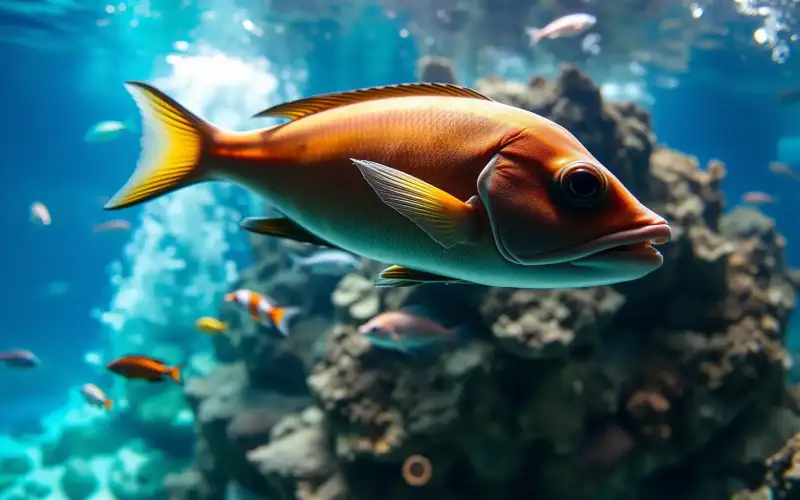
I'll never forget the moment my youngest pressed her nose against the glass tunnel as a moray eel glided directly overhead. That's the magic of the Ocean Aquarium in Protaras—it's not just about watching fish swim past; it's about genuine wonder, the kind that makes a rainy August afternoon suddenly feel like an adventure. After dozens of visits with my teenagers over the years, I've cracked the code on how to experience this attraction without spending half your holiday queuing.
The Ocean Aquarium sits in the heart of Protaras, within easy reach of Fig Tree Bay and most family hotels. It's become my go-to when the 40-degree heat makes beach time unbearable or when the kids need something different from the usual pool-and-beach routine. What surprises most visitors is how much there actually is to see and do inside—it's not a quick 30-minute tick-box; you can easily spend 2–3 hours if you engage properly with the exhibits.
1. Know Your Opening Hours and Plan Around Peak Times
The Ocean Aquarium operates year-round, which is brilliant for families planning winter breaks or shoulder-season trips. In 2026, standard opening hours run from 10:00 AM to 6:00 PM daily, though these can extend to 8:00 PM during peak summer months (July and August). The real trick isn't just knowing when it opens—it's knowing when not to arrive.
I've learned that the first 90 minutes after opening (10:00–11:30 AM) see relatively light crowds. The main surge hits around noon when tour groups and families escaping midday heat flood in. Between 2:00 PM and 4:00 PM, queues at the entrance peak, and the tunnels get genuinely crowded. If you can swing it, arrive right when doors open or aim for late afternoon after 4:30 PM when many families have left for dinner. September through May offers the calmest experience overall—fewer school holidays, fewer package tourists.
During Easter holidays and summer break, expect double the usual visitor numbers. If you're visiting during these periods, your best window is genuinely the first hour of opening or the last 90 minutes before closing. I've taken my kids on quiet October mornings and had entire sections almost to ourselves.
2. Current Ticket Prices and What You're Actually Paying For
As of 2026, standard admission prices are:
| Category | Price (€) | Notes |
|---|---|---|
| Adults | 15.00 | Per person |
| Children (3–12 years) | 10.00 | Per child |
| Toddlers (under 3) | Free | No ticket required |
| Family Package (2 adults + 2 children) | 45.00 | Saves approximately €5 |
| Concessions (seniors, students) | 12.00 | ID required |
The family package genuinely saves money if you're a group of four, though prices do shift slightly during peak summer. It's worth asking at the entrance if any seasonal discounts are running—I've occasionally seen voucher deals through local tourism offices or hotel concierge desks.
What you get for your money: access to all main tank areas, the tunnel walk-through (the highlight), touch pools where permitted, and usually a basic map. Feeding sessions and special talks are occasionally included or offered as add-ons for €2–3 extra. Parking is free in the adjacent lot, and there's a small café selling overpriced sandwiches and drinks, so bring your own water and snacks if you're budget-conscious.
3. The Tunnel Experience: Timing and Positioning
The underwater tunnel is the main draw, and rightfully so. You're literally surrounded by sharks, rays, grouper, and ambient light filtered through metres of water. It's genuinely atmospheric, and even my teenagers—who normally resist family outings—find it compelling.
Here's the insider knowledge: the tunnel has a one-way system, and it takes roughly 10–12 minutes to walk through at a normal pace. During quiet times, you can linger and let the kids press against the glass. During busy periods, it becomes a shuffling queue where people behind you get impatient if you pause too long.
My strategy: tackle the tunnel either first thing (within the first 30 minutes of opening) or after 5:00 PM. If you arrive mid-morning and the tunnel queue is already 20+ minutes, skip it temporarily, explore the other tanks, and return to the tunnel later. The marine life doesn't change, but your experience of it absolutely does when you're not jostled by other visitors.
Pro tip: bring a phone or camera, but don't spend the entire tunnel glued to your screen trying to photograph fish. The glass reflects light, and honestly, the sensory experience of being there beats any photo. My best memories aren't from pictures; they're from watching my daughter's face when a nurse shark glided past at eye level.
4. Which Exhibits Actually Engage Children (And Which Feel Like Filler)
Not all aquarium sections are created equal. The tunnel and the large open tanks are the genuine crowd-pleasers. The seahorse exhibit is beautiful but small and quiet—kids sometimes find it underwhelming after the drama of the tunnel. The touch pools, where available, are brilliant for younger children (ages 4–8) who want hands-on interaction.
The feeding demonstrations, when they run, are worth timing your visit around. Watching a diver feed grouper or sharks creates genuine excitement and usually happens once or twice daily (times vary seasonally). Ask staff when you arrive if any sessions are scheduled.
The ray tank is another winner—rays are curious and often swim close to the glass, making them feel more interactive than passive fish-watching. My teenagers were surprisingly engaged by the jellyfish section, which has moody blue lighting and is genuinely atmospheric.
The areas that tend to feel rushed: the small freshwater tanks, the seahorse gallery, and the




Comments (4 comments)