
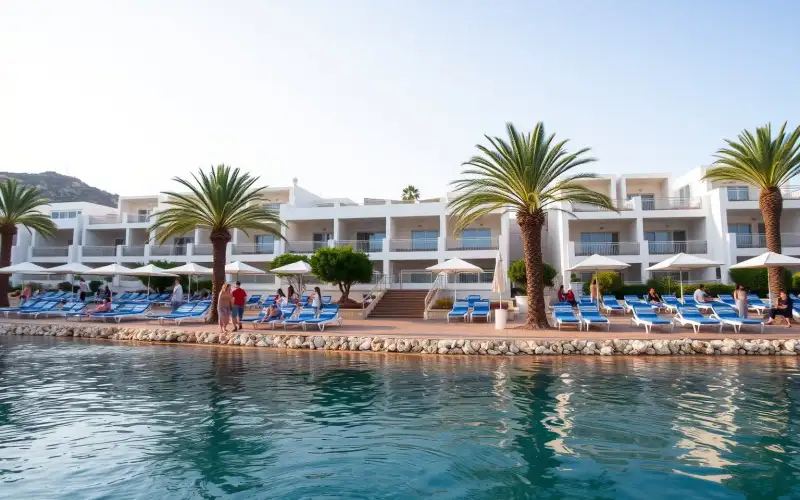
I'll never forget pulling up to our hotel in Protaras for the first time in 2014, my two in the back asking "Are we there yet?" every five minutes, and me realising I had no clue where the nearest supermarket was, whether anyone actually spoke English, or if I'd packed enough sunscreen. Spoiler: I hadn't. Not even close.
Twelve summers later, Protaras feels like a second home. But I remember that first-timer panic vividly. That's why I'm writing this—to hand you the stuff I wish someone had told me before we arrived, the practical details that make the difference between a stressful first week and one where you're actually relaxing by day three.
1. Geography and Location: Where Exactly Are You?
Protaras sits on the eastern coast of Cyprus, about 45 kilometres south of Larnaca Airport. If you're flying in, that's roughly a 45-minute drive depending on traffic and which part of Protaras you're heading to. The town itself stretches along the coastline, so "Protaras" isn't one tight village—it's a series of beaches and neighbourhoods strung out over several kilometres.
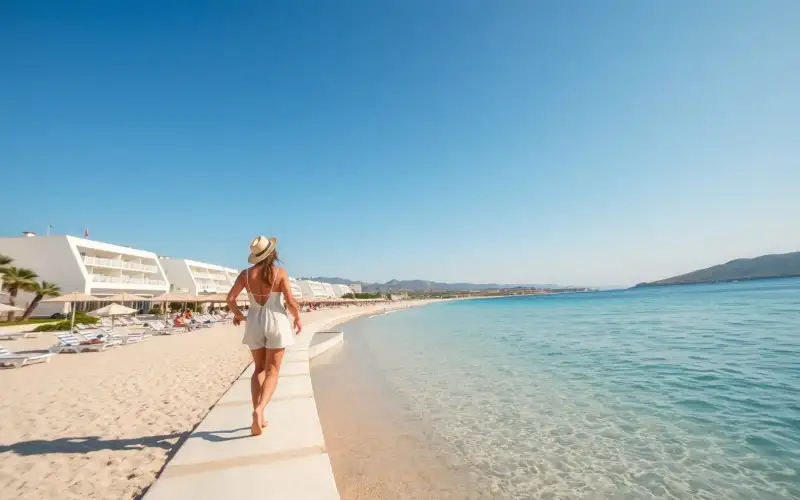
Fig Tree Bay is the most famous beach and the heart of what most tourists think of as Protaras. It's absolutely stunning—a proper postcard beach with golden sand and shallow, turquoise water that's perfect for young kids. But if you're staying elsewhere in Protaras, you might be a 10-minute walk away or a short drive. The town has grown a lot since my first visit, and it's now quite spread out.
To the north, you've got Paralimni, a proper Cypriot town with local shops and restaurants that serve actual Cypriots, not just tourists. It's worth a trip if you want to see how people actually live here. To the south, the landscape gets quieter and more rural. It's all connected by the main coastal road, which is straightforward to navigate once you've driven it once or twice.
2. Currency and Money: What You're Actually Spending
Cyprus uses the euro, and has done since 2008. So no currency conversion headaches—just euros. At 2026 prices, a coffee runs about €2.50 to €3.50, a beer €3 to €4, and a decent family meal at a taverna costs between €35 and €50 for three of us. Beach bars are pricier than inland restaurants, as you'd expect.
Cash is still used more than you might expect in Cyprus, especially at smaller shops, family restaurants, and beach vendors. I always withdraw euros from an ATM in Protaras (there are several dotted around) rather than relying on card alone. Some smaller places don't take cards, and it's frustrating when you're hungry and your card gets declined at a family taverna.
Contactless payments work fine in larger hotels and chain restaurants, but don't assume every place is set up for it. Your UK bank card will work in Cyprus ATMs, though check your bank's foreign transaction fees before you travel. Wise or similar services can save you money if you're changing a lot of currency, but for a two-week holiday, it's probably not worth the faff.
3. Language: You'll Be Fine, Honestly
This was my biggest worry before that first trip. Would anyone speak English? Would the kids get frustrated? Would I accidentally order something horrifying?
The reality: Protaras is incredibly English-friendly. Most hotel staff, restaurant owners, and shop workers speak English fluently. Many have worked in tourism for years and are genuinely patient with tourists. My Greek is still terrible, but I've never needed it in Protaras itself.
That said, learning a few basics makes a real difference—not because you need them, but because locals appreciate the effort. "Kalispéra" (good evening), "efharistó" (thank you), and "parakaló" (please) will get you smiles. Kids love learning simple phrases too. My daughter spent one entire summer saying "Kalispéra" to every waiter and thought she was basically fluent.
If you're eating at a traditional taverna away from the main tourist strip, having Google Translate on your phone is genuinely helpful. But in Protaras proper, English is the default language of tourism. Don't stress about it.
4. Tipping Culture: What's Expected?
Tipping in Cyprus is less formal than in the States but more expected than in the UK. Here's what I've learned works:
- Restaurants and tavernas: Round up the bill or leave 5-10% if the service was good. If the bill is €47, leaving €50 is perfectly normal. For a larger family meal, 10% is generous and appreciated.
- Taxis: Round up to the nearest euro or add a euro or two. Drivers don't expect huge tips, but they appreciate the gesture.
- Hotel housekeeping: €1-2 per night if you're staying a week or more. Leave it on the pillow or bedside table.
- Beach bar staff: A euro or two per drink is fine. They're working hard in the heat.
- Tour guides: €5-10 per person for a half-day trip is standard.
The key thing: tipping isn't mandatory, but it's part of the culture. No one will chase you down if you don't, but waiters and staff are often paid modest wages and tips make a real difference to their income. I think of it as part of the holiday budget.
5. Sun Safety: The Most Important Bit
This is where I'm going to be blunt, because I made mistakes here and I don't want you to. Cyprus gets properly hot. In July and August, you're looking at 35°C+ regularly. The sun is relentless. And because the sea is so inviting and the weather feels endless, it's easy to underestimate how quickly you and the kids can burn.
My first summer, I thought SPF 30 would be fine. By day two, my son looked like a lobster. I learned.
Here's what actually works:
- Use SPF 50+ for the kids, every single day, even when it's cloudy. Reapply every two hours and after swimming.
- Bring sunscreen from the UK if you can—it's cheaper and you know the brand. Pharmacies in Protaras stock it, but it's pricey.
- Invest in UV rash vests for young kids. They're brilliant and take the stress out of constant reapplication.
- Avoid peak sun hours (11am to 3pm) for the beach, especially in July and August. Go early morning or late afternoon instead.
- Hats and sunglasses are non-negotiable. My kids actually wear theirs because they look cool, not because I'm forcing them.
- Drink constantly. You sweat more than you realise, and dehydration sneaks up on you.
Sunburn ruins holidays. It's painful, it limits what you can do, and it's completely preventable. Take it seriously.
6. Beach Etiquette and Safety: Unwritten Rules
Protaras beaches are generally safe and well-managed, but there are things you should know.
Lifeguards and flags: Most main beaches have lifeguards during summer months, usually from around 10am to 6pm. Look for the flag system—a red flag means strong currents or danger, yellow means caution, green means safe. Take it seriously. The sea can look calm and still have a nasty undertow.
Beach vendors: You'll get people walking along selling drinks, snacks, jewellery, and beach toys. They're not pushy, but they will approach you. A polite "no, thank you" works fine. Prices are higher than shops, but if your kids are desperate for an ice cream and you're stuck on the beach, it's convenient.
Topless sunbathing: Women do go topless on Cypriot beaches, and no one bats an eyelid. It's completely normal. If you're uncomfortable with it, quieter beaches away from the main tourist strip are more conservative.
Jet skis and water sports: These operate from designated areas, usually roped off from swimmers. They're available if you want them, but they're pricey—expect €50-80 for 15 minutes. The sea is generally calm enough for paddleboards and inflatable rings, which are cheaper and just as fun for kids.
Rocks and sea urchins: Some beaches have rocky areas. Wear water shoes if you're exploring. Sea urchins exist but aren't common in the main swimming areas. If you do step on one, vinegar helps (most beach bars have it), and you should see a doctor if it's painful.
7. Getting Around: Transport and Navigation
This is where first-timers often feel lost, but it's actually straightforward once you know the options.
Hiring a car: This is what I'd recommend for most families. Rental companies are everywhere in Protaras, and prices are reasonable—expect €20-35 per day for a basic car in summer 2026. You'll need your UK driving licence and an International Driving Permit (get one from Post Office before you travel—costs £5.50). Driving is on the left, roads are decent, and petrol is cheaper than the UK. Parking is usually free or very cheap. The main road through Protaras is easy to navigate, and from there you can explore the wider area—Ayia Napa, Paralimni, the Troodos Mountains, even Paphos for a day trip (about 90 minutes drive).
Taxis: Readily available and not expensive. A 5-kilometre journey costs about €8-12. Useful if you're going out for drinks and don't want to drive, or for airport transfers. Book through your hotel or flag one down on the street.
Buses: Cyprus has a bus network, and buses run along the coast connecting Protaras to Ayia Napa and Paralimni. They're cheap (€1.50-2 per journey) but can be slow and don't run late. Fine for exploring nearby towns if you're not in a hurry, but not ideal if you've got young kids who get restless.
Walking: Protaras is quite spread out, so while you can walk between nearby beaches and to restaurants, it's not a walkable town in the way a UK seaside town might be. In summer heat, walking more than 15 minutes with kids gets uncomfortable quickly.
8. Practical Essentials: What to Pack and What to Buy
Some things are worth bringing from the UK, others you can buy cheaper here.
Bring from home: Sunscreen (much cheaper), any prescription medications, UK plug adapters (though most hotels have USB ports now), and familiar snacks for the kids if they're picky eaters. Paracetamol and antihistamines are also good to have—you can buy them here but it's easier to bring them.
Buy in Protaras: Beach toys, inflatables, and casual clothes. Supermarkets like Carrefour and local shops stock everything you'd need. Water shoes, hats, and sunglasses are available but often cheaper in UK supermarkets before you travel.
Money-saving tip: Supermarkets open early (7am or 8am) and close late (9pm or 10pm). Stock up on drinks and snacks rather than buying from beach bars or restaurants. A bottle of water costs 50 cents in a shop, €2 on the beach.
9. Weather and Seasons: When to Go
Protaras is warm from May through October. July and August are peak season—hottest, busiest, most expensive. June and September are brilliant: warm enough for sea swimming, less crowded, slightly cheaper. April and October are quieter still but the sea can be cool for young kids.
Winter (November to March) is mild by UK standards—around 15-18°C—but the sea is cold and many beach bars close. It's not ideal for a family beach holiday unless you're specifically after a quiet, cultural trip.
I always aim for late June or early September. The weather is perfect, the beaches aren't rammed, and you can actually book restaurants without fighting crowds.
10. Health and Pharmacies: What You Need to Know
Cyprus has good healthcare, and pharmacies are everywhere. Pharmacists are well-trained and can advise on minor ailments without needing a doctor. A pharmacy (marked with a green cross) is never far away in Protaras.
Get travel insurance before you go—it's cheap and covers you if anyone gets ill or injured. The NHS won't cover you in Cyprus. Most travel insurance costs £15-30 for a two-week family trip and is absolutely worth it.
Common issues: upset stomachs (usually from eating too much rich food or dehydration), minor cuts and scrapes from rocks, and sunburn (which you'll prevent with the advice above). Pharmacists can handle all of these.
11. Food and Eating Out: What to Expect
Cypriot food is delicious and simple. Souvlaki (meat on skewers), moussaka, halloumi, fresh fish, and salads with proper tomatoes that actually taste like tomatoes. Most restaurants cater to families and kids. Portions are generous.
Eating out is affordable. A family meal at a decent taverna costs €35-50. Chain restaurants and beach bars are pricier. Supermarkets have ready-made meals if you need a quiet night in or want to save money.
One thing: meal times are later than the UK. Dinner starts around 7pm or 8pm. Restaurants get busy after 8:30pm, so if you're eating with young kids, aim for 7pm or earlier.
12. Electricity and Plugs: The Small Stuff That Matters
Cyprus uses European two-pin plugs (Type C and Type F). Bring an adapter for UK three-pin plugs, or buy one in a supermarket for a couple of euros. Voltage is 230V, same as the UK, so electronics work fine.
Most modern hotels have USB charging ports in rooms, which is handy. Phone signal is excellent—local SIM cards are cheap if you want data, or your UK provider's roaming should work (check costs with your provider first).
13. Local Customs and Respect: The Unspoken Rules
Cypriots are genuinely friendly and welcoming to tourists. A few things help you fit in:
- Dress respectfully when visiting churches or religious sites. Covered shoulders and knees are appreciated.
- Don't photograph people without asking, especially locals.
- Restaurants and cafes are social spaces. Lingering over a coffee is normal and expected, not rushed.
- Siesta culture is real—some shops close 1pm to 4pm in summer. Plan accordingly.
- Tipping and politeness go a long way. Greeks and Cypriots value warmth and respect.
14. Emergency Numbers and Important Contacts
Police: 112 | Ambulance: 112 | Fire: 112 (all emergency services use 112). Your hotel will have local numbers for taxis, pharmacies, and doctors. Keep your travel insurance details and your embassy contact info on your phone. The British High Commission in Nicosia is your point of contact if anything serious happens.
Most hotels have a 24-hour reception desk, so if you need help at 2am, someone's there.
15. Your First Week: A Realistic Timeline
Day one: Arrive, check in, get your bearings, buy groceries, have an early night. You're all tired.
Days two and three: Stick to your beach, find your favourite restaurant, let the kids adjust. Don't try to do everything.
Days four to seven: Now you're settled. Hire a car if you haven't, explore nearby beaches, take a day trip to Ayia Napa or Paralimni.
By day ten, you'll feel like you've been here for months. You'll have favourite cafes, you'll know which beaches are best, and you'll stop stressing about the small stuff.
The first-timer panic is normal. But Protaras is genuinely easy to navigate, locals are kind, and the worst that can happen is you have a slightly sunburned first week and then figure it out. I did, and now I can't imagine a summer without it.
Bonus Tip: The One Thing Seasoned Visitors Always Say
If you ask someone who's been coming to Protaras for years what they wish they'd known on their first visit, most will say: "Don't try to see everything. Pick a beach, pick a taverna, and just be there." Tourism sites will tell you to visit sea caves and historic sites and drive to Paphos. Those things are lovely, but they're not why you came. You came to relax with your family by the sea. Do that first. The attractions will still be there if you want them.
My first summer, I was stressed about maximising the experience. Now I measure a good day by whether the kids played in the sand for three hours without complaining and whether I finished my book. That's the real holiday.
Comments (4 comments)