
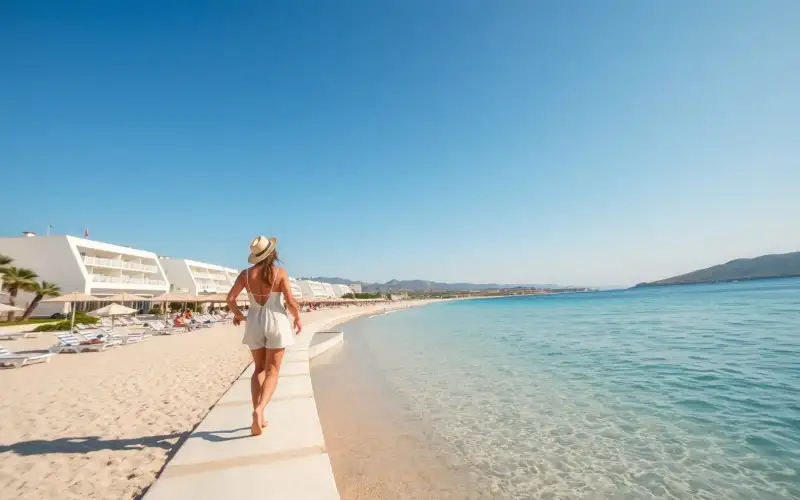
Last May, my husband and I arrived at Protaras on a Wednesday in late spring, and something unexpected happened. We actually sat down for a coffee without three children fighting over an iPad. It sounds silly now, but after a decade of family holidays here, experiencing Protaras without the school holidays chaos felt like discovering a completely different place. The beaches were soft gold and nearly empty. The tavernas had tables where you could actually hear each other speak. That's when I realised that Protaras, which most families know as the chaotic summer playground of Fig Tree Bay, has a secret life as one of Cyprus's most romantic destinations—if you know when and where to look.
The thing about Protaras is that it's been quietly brilliant at attracting couples for years, but it doesn't shout about it. You won't see billboards promising "romantic getaways" or Instagram influencers staging sunset photos here. Instead, you get something more honest: a genuine, walkable seaside town with proper local character, excellent food, and stretches of coastline that feel genuinely peaceful outside July and August. This guide is for couples who want exactly that—no pretence, no overpriced "couple packages," just real places where you can actually relax together.
Why Protaras Works for Couples (And Why Timing Matters)
Protaras has roughly 1,200 permanent residents, but that number swells to around 15,000 during peak summer. The difference between visiting in June and visiting in September isn't just about crowds—it's about whether you can walk along the seafront without being knocked into by a buggy or whether a taverna table feels like a place to linger rather than a spot to rush through before your kids melt down.
The town sits on a peninsula with beaches on three sides, which means there's always somewhere quieter than somewhere else. Fig Tree Bay—the famous horseshoe of golden sand—is genuinely stunning, but it's also the busiest spot. However, if you walk ten minutes along the coastal path towards Konnos Bay or head in the opposite direction towards Louma Beach, the atmosphere shifts entirely. Fewer sunbeds, fewer vendors, more actual sand to sit on without feeling like you're part of a package tour.
For couples, the real magic happens outside the traditional holiday season. April through May and September through October are genuinely my favourite times to visit Protaras. The sea is still warm enough for swimming (around 22-23°C in May, 24-26°C in September), but the beaches are manageable. Restaurants aren't booked solid three weeks in advance. You can actually get a table at that taverna you want to try. And hotels offer proper discounts—you're looking at 30-40% cheaper rates than June to August.
Where to Stay: Hotels That Actually Suit Couples
Here's the honest bit: Protaras has masses of family-oriented hotels, and that's brilliant if you've got kids, but it's not what you want if you're after a proper couples' break. The good news is that there are genuinely excellent properties that understand what adults actually want from a holiday.
The Quieter, More Upmarket Options
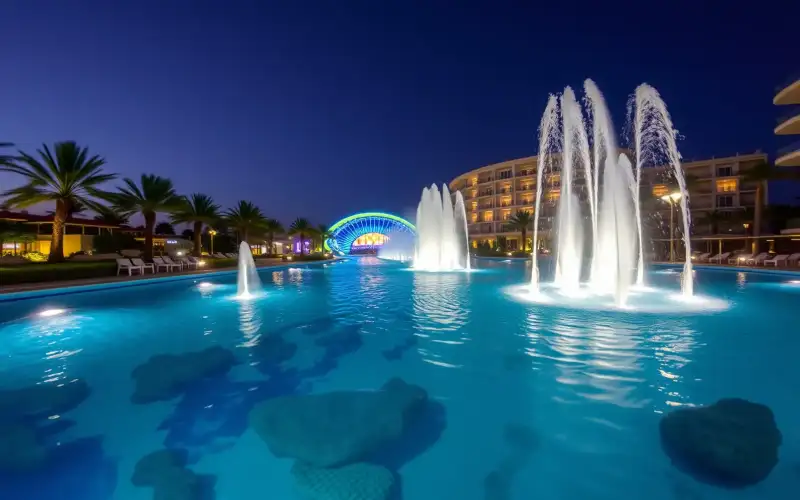
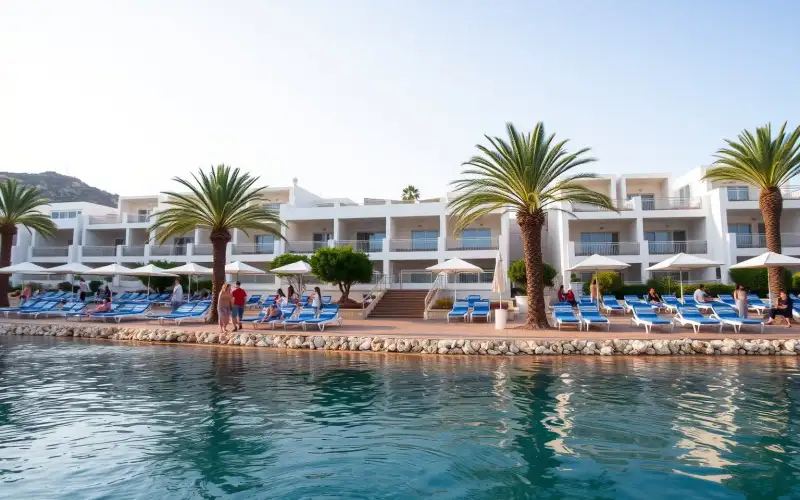
The Protaras area has a handful of hotels that actively cater to couples and quieter guests. Look for properties that don't have massive kids' clubs or water slides—not because they're snobby, but because it means the atmosphere is genuinely calmer. The Sunrise Pearl and similar properties in the upper-mid range (£80-130 per night) often have adult-only pools and quieter zones, even if they do accept families. These places understand that some guests want to read a book by the pool without someone's inflatable ring crashing into them.
The key thing to check when booking is whether the hotel has a separate adult section or quiet zone. Some hotels in Protaras have cottages or bungalows set back from the main building—these tend to be far more peaceful than standard rooms. If you're booking directly through the hotel rather than an aggregator, it's worth ringing and asking specifically about the quietest rooms and whether they have couple-friendly packages that include things like breakfast in your room or reserved quiet-pool time.
Boutique and Smaller Properties
Protaras doesn't have many tiny boutique hotels—it's not that sort of place—but there are smaller, family-run properties scattered around the edges of town that offer genuine character. These places often have 20-40 rooms rather than 200, and they're run by people who actually live there. You'll pay a bit more (£70-110 per night), but you get actual hospitality rather than a corporate checklist. Ask your travel agent or search specifically for "family-run hotels Protaras" rather than the big chains.
Apartment Rentals and Villas
If you want maximum peace and control over your environment, a one-bedroom apartment or small villa is genuinely brilliant. You get a proper kitchen (which means you can avoid restaurants when you want to), your own terrace, and nobody playing music from the next-door room. Prices range from £50-100 per night for an apartment to £120-200 for a small villa. The trade-off is that you don't get housekeeping or a restaurant, but if you like cooking together or having breakfast whenever you fancy, it's worth it. Look for properties in the quieter edges of Protaras—north of the main strip or towards Louma—rather than right on the seafront.
The Best Times to Visit (And Which to Avoid)
I've been coming here every summer since 2014, and I can tell you with absolute certainty that timing is everything for a couples' break.
The Golden Weeks: Late April to Early June
Late spring is genuinely magical. The weather is warm but not scorching—temperatures in the low 80s Fahrenheit (around 26-28°C). The sea is warm enough to swim in comfortably. And the place feels like an actual town rather than a theme park. School holidays haven't started, so the beaches are quiet. Restaurant staff aren't stressed. You can book a table the same day if you fancy trying somewhere new. Hotels are 30-40% cheaper than summer, and you'll actually get a decent room rather than whatever's left after the families have booked. If you can only visit once, aim for the first two weeks of May.
The Shoulder Months: September to Mid-October
September is interesting because it's technically still summer, but British families are back at school. The weather is hot (around 28-30°C) and the sea is at its warmest (around 26°C), but the crowds thin out dramatically after the first week. By mid-September, it genuinely feels peaceful again. October is even quieter, though the water starts to cool down towards the end of the month. If you don't mind heat and you like the idea of long, warm evenings, this is brilliant.
The Months to Avoid (If You Want Quiet)
July and August are absolutely rammed. I mean properly, shoulder-to-shoulder-on-the-beach rammed. Temperatures hit 35°C (95°F) regularly, and it's genuinely too hot to do much except sit in the sea. Everything is at peak price. Restaurants have queues. The beaches are basically human car parks. If you visit in summer, go early (like, 7am early) or go late (after 5pm), or accept that you're going to be surrounded by people. That's fine if you like that, but it's not a couples' break—it's a holiday in a crowded resort.
Winter: November to March
Winter is genuinely underrated. December through February can be rainy and the sea is cold (around 16-18°C), so swimming isn't appealing. But March onwards (around 18-20°C) is actually lovely. Temperatures are mild (around 18-22°C), the place is peaceful, and there's a real local feel. Restaurants are quiet. You can walk along the coastal path without melting. The trade-off is that some smaller restaurants and shops close, and you need to check that your chosen hotel is actually open (some close for winter). But if you like walking, exploring, and eating well without crowds, winter shoulder months (late March to April) are genuinely special.
Beaches and Coastal Walks: Where to Find Actual Peace
Fig Tree Bay is stunning, and if you visit Protaras, you should absolutely go there—especially early morning (before 8am) when the light is golden and the beach is genuinely peaceful. But if you want quiet beaches where you can actually spread out, you need to know about the alternatives.
Konnos Bay and the Coastal Path
Walk east from Fig Tree Bay for about 15 minutes along the coastal path, and you reach Konnos Bay. It's a smaller, more intimate beach with a taverna at the back and proper shade from pine trees. The walk itself is brilliant—the path hugs the coastline, and there are little rocky coves where you can stop and look out to sea. The whole walk from Fig Tree Bay to Konnos takes about 30 minutes at a leisurely pace, and it's genuinely one of the nicest coastal walks in Cyprus. Go in the late afternoon, and you'll have the beach almost to yourself.
Louma Beach
West of the main town, Louma Beach is smaller and rockier than Fig Tree Bay, but it's far quieter and it has proper character. There's a traditional taverna right on the beach (Louma Taverna, run by the same family since the 1980s), and the beach itself feels like somewhere locals actually come to swim rather than somewhere set up purely for tourists. The water is clear, the sunset views are excellent, and it's only a five-minute walk from the main road, so it's accessible without feeling crowded.
Green Bay and the Quieter Spots
North of Protaras, Green Bay (also called Vromi Beach) is a tiny, sandy beach backed by a small taverna. It's genuinely quiet, even in summer. The beach is small—maybe 50 metres of sand—but that's part of the appeal. It feels like you've discovered somewhere secret. The water is clear and warm, and the taverna serves proper food rather than tourist basics. It's about a 10-minute drive north from the main town.
The coastal path itself is worth exploring beyond the obvious spots. If you walk north from Green Bay or south from Konnos, you'll find little rocky coves and quiet spots where locals come to swim. These aren't "attractions" in the traditional sense—there are no facilities or tavernas—but they're genuinely peaceful, and they're free.
Dining: Where to Eat Like a Local
Protaras has absolutely brilliant food if you know where to look. The problem is that the most obvious restaurants—the ones right on the seafront with the picture menus and the touts trying to drag you in—are often mediocre and overpriced. The good stuff is usually tucked away slightly off the main drag, run by families who've been cooking the same food for decades.
Tavernas Worth the Trip
Louma Taverna (on Louma Beach) serves proper Cypriot food—grilled fish, lamb, traditional meze—and the owner's family has been running it since 1983. It's not fancy, but the food is genuine and the prices are fair. Dinner for two with wine usually comes to around £30-40. The sunset views are excellent, especially in spring and autumn when the sun sets over the sea rather than to the side.
Taverna Thalassa (slightly inland, north of the main strip) is small, family-run, and genuinely excellent. They do fresh fish daily, and they're happy to show you what's in the kitchen and let you choose. It's the sort of place where the owner's mum is cooking and the owner's kids are waiting tables. Mains are around £10-15, and the quality is proper restaurant-standard.
Quieter Dining Times
In Protaras, eating at 7pm means eating with crowds. Eating at 9pm means eating with locals and a handful of other tourists. If you want a peaceful dinner, book a table for 8:30pm or later. Restaurants don't mind—they're used to the late-eating culture—and you'll get a completely different atmosphere. The staff aren't rushed, the place feels relaxed, and you can actually have a conversation.
Romantic Moments: Sunsets, Walks, and Quiet Evenings
The thing about romance isn't fancy hotels or expensive restaurants—it's actually being able to sit together without chaos happening around you. Protaras is genuinely good at that outside peak season.
Sunrise at Fig Tree Bay
If you can face an early start, sunrise at Fig Tree Bay is genuinely special. The beach is completely empty, the light is golden, and there's something about the sea being completely calm and empty that makes it feel like you've got the place to yourself. Get there by 6:30am in summer, 7am in spring/autumn. You can swim, have coffee from a café that's just opening, and watch the beach gradually fill up as the morning goes on. Then head back to your hotel for breakfast while everyone else is still asleep.
Sunset Walks Along the Coastal Path
In May and September, the sun sets around 7:30-8pm, which means you can have dinner, then take a walk along the coastal path as the light fades. The path between Fig Tree Bay and Konnos is particularly beautiful in the evening light, and it's genuinely peaceful if you go after 7pm. Take a torch (you'll need it for the walk back), and plan to be back by around 9pm.
Quiet Evenings in Local Squares
Protaras doesn't have a big central square like some Cypriot towns, but there are quiet spots—small tavernas tucked away from the main drag, little bars where locals actually go. These places are genuinely peaceful in the evenings, especially outside peak season. Order a local wine (Cypriot wine is genuinely good and underrated), sit outside, and watch the evening happen around you.
Common Mistakes Couples Make (And How to Avoid Them)
After a decade of holidays here, I've seen plenty of couples get it wrong. Here's what not to do.
Booking in July or August and expecting quiet. You won't get it. The place is rammed. If you want peace, visit May or September. There's no getting around this.
Staying right on the main seafront. The seafront hotels are convenient, but they're also the noisiest. They're where the bars are, where the music is, where the action is. If you want quiet, stay slightly inland or in a smaller property away from the main strip. You'll walk five minutes to the beach instead of one minute, but you'll sleep properly.
Eating at the obvious restaurants. The restaurants with the biggest signs and the touts outside are often the worst. Go slightly inland, ask locals, look for places that are full of Cypriot families rather than tourists. You'll eat better and spend less.
Not booking ahead for restaurants. Even in quiet season, the good restaurants get booked. Ring ahead, especially if you want a specific table or time. Most places are happy to hold a reservation.
Underestimating how hot it gets. If you visit in summer, don't plan to do much between 1pm and 5pm. The heat is genuinely intense. Go early, rest in the afternoon, go out again in the evening. It's not laziness—it's actually how people live in Mediterranean countries.
Practical Essentials for Your Trip
A few things worth knowing before you book:
- Getting there: Fly into Larnaca (about 45 minutes' drive from Protaras) or Paphos (about 90 minutes). Car rental is relatively cheap (around £20-30 per day) and genuinely useful for exploring beyond the main town.
- Money: Cyprus uses the Euro. Restaurants and shops in Protaras accept cards, but having some cash is useful for small tavernas and beach vendors. Budget around £15-25 per person for a decent dinner, £8-12 for lunch, £3-5 for coffee.
- Language: English is widely spoken in Protaras, though learning a few Greek phrases ("kalispéra" for good evening, "efharistó" for thank you) is genuinely appreciated.
- Booking accommodation: Book 6-8 weeks ahead for May or September if you want good rates. Winter and March/April are less booked, so you can often book closer to the time.
- Getting around: The town is walkable, but a car is useful for exploring quieter beaches and villages inland. Taxis are available, but they're not metered—agree a price before getting in.
Why Protaras, Not Somewhere "More Romantic"?
Protaras doesn't have the Instagram appeal of Santorini or the glitz of Monaco. What it has is something more genuine: a real town where people actually live, with proper food, peaceful beaches, and the sort of genuine hospitality that comes from people who've been welcoming visitors for decades without losing their character. It's quieter than you'd expect, more affordable than comparable destinations, and genuinely walkable. You can spend an evening wandering around and actually discover places rather than following a guidebook.
The couple's holiday doesn't have to be fancy. It just has to be peaceful, with good food and space to actually talk to each other. Protaras delivers that in spades, especially if you visit at the right time and know where to look. Come in May or September, stay slightly away from the seafront, eat where locals eat, and take the coastal walks. You'll get exactly what you're looking for—a genuine break with someone you actually want to spend time with.
Comments (4 comments)