The Perfect Bay for Water Sports Beginners
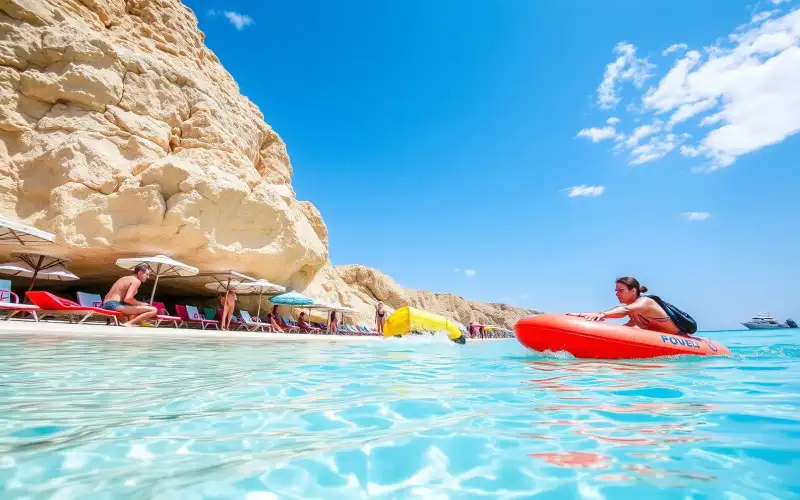
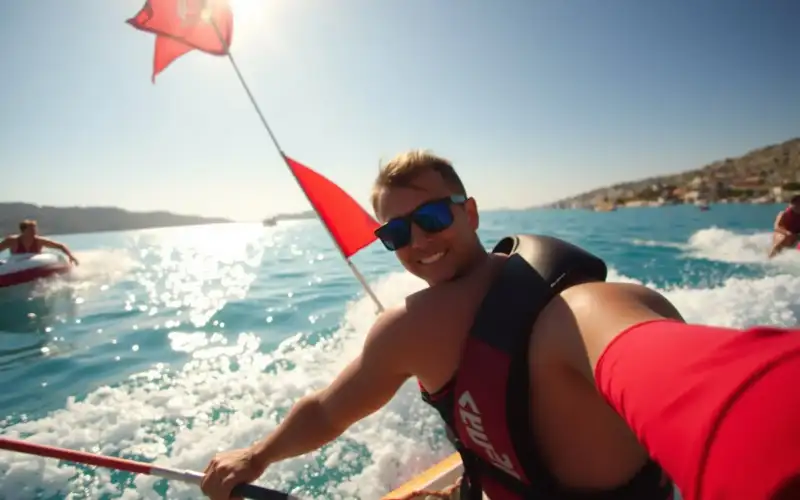
Last summer, I watched my 14-year-old son grip the side of a banana boat as it bounced across Fig Tree Bay, absolutely terrified and absolutely grinning at the same time. That's the magic of Protaras—the water is so clear and calm that even nervous swimmers feel confident enough to try something new. The bay sits in a natural amphitheatre of golden cliffs, which acts as a natural breakwater, keeping the sea glass-flat even when the Aegean beyond it churns.
Protaras isn't like busier Cyprus resorts where jet-skis tear past swimmers and the water turns murky by midday. The local authorities take water safety seriously here. Most operators work within designated zones, lifeguards patrol the main beaches, and the visibility underwater is often 15–20 metres—you can see straight to the sandy bottom from the surface. This clarity changes everything for families. Kids aren't nervous about what they can't see. Parents aren't anxious about hidden hazards.
If you're planning a 2026 holiday with children aged 5 to 16, or if you're a couple wanting to try something adventurous without the chaos of Ayia Napa, Protaras' water sports scene offers genuine variety. But not all operators are equal, and costs vary wildly depending on what you choose and when you book.
Snorkelling: The Gateway Water Sport
Why Protaras Is Snorkelling Gold
Snorkelling is where most families start, and Protaras is almost unfairly good for it. You can rent a mask, fins and snorkel from any beach bar for €8–12 per person per day, or €5–8 if you're staying at a hotel with beach access (many throw in basic kit). The real appeal is that you don't need a boat or a guide. Wade into Fig Tree Bay at any point along the main beach, and within five minutes you're watching parrotfish nibbling coral, octopus hiding in rocks, and schools of bream that flash like silver coins.
My daughter (12) spent three hours in the water last Easter with nothing but a snorkel and a waterproof camera, hunting for seahorses. She found two. The water temperature in April is around 17°C—cold enough to need a 3mm wetsuit if you're sensitive, but perfectly swimmable for most kids in a rash guard. By June, it's 22°C and you can stay in all day without thinking about it.
Guided Snorkelling Tours vs. DIY
If you want structure and expertise, several operators run guided snorkelling trips. Protaras Watersports (based near the main beach) offers group tours for €25–35 per adult, €15–20 per child (under 12), including equipment and a 2-hour boat trip to offshore reefs. You get a guide who knows where the turtles hide and can point out species your kids would miss alone. Tours run daily at 10am and 2pm during peak season (May–September), with reduced schedules in winter.
The DIY approach is cheaper and more flexible. You pay for kit rental once, then snorkel whenever you fancy. The trade-off is that you won't see the deeper reefs or the bigger fish congregations. But honestly, for families with young kids, the shallow bay snorkelling is perfect. The water's warm enough, the visibility is incredible, and there's no boat motion to trigger seasickness.
Parasailing: The Adrenaline Rush
How It Works & Safety Reality
Parasailing looks terrifying from the beach. You're harnessed to a parachute, towed behind a speedboat, and lifted 200–300 feet above the water. The first time I did it, I was convinced my harness would fail. It didn't. I spent eight minutes floating above the bay, looking down at the cliffs and the toy-sized boats below, feeling like I'd left my stomach on the beach.
Protaras has three main parasailing operators, all clustered near the central beach area. They're regulated by Cyprus maritime authorities, and operators must hold current safety certifications. Boats are inspected annually. Harnesses are replaced every 500 jumps or annually, whichever comes first. Real accidents are rare—I found no reports of serious incidents in Protaras in the last five years, though minor injuries (sprained ankles from rough landings) happen occasionally.
Age, Cost & Booking
Most operators require a minimum age of 12 for parasailing, though some take kids from 10 if they weigh at least 30kg. Tandem flights (two people on one parachute) are common and actually safer for nervous flyers because you're not alone up there. Single flights are more common though.
Costs in 2026 run €40–55 per person for a single flight, €60–80 for a tandem. This includes boat transport, equipment and a 10–15 minute flight. Some operators bundle it with other activities—parasailing + jet-ski hire for €90–110 combined. Book directly at beach kiosks and you'll usually get a 10% discount if you pay cash. Book online in advance and you might save 5–8%, but you lose the flexibility to cancel or reschedule if weather turns rough.
The best time to parasail is early morning (8–10am) when the water is calmest and wind is lightest. Afternoon sessions (2–5pm) can get choppy, especially in July and August when thermal winds pick up. Most operators won't fly if wind speeds exceed 25 knots, which happens maybe 5–10 days per year in summer.
Jet-Ski & Speedboat Rentals: Speed & Control
Jet-Ski Hire: The Self-Drive Option
Jet-skiing is the water sport where you're in control, and that appeals to a lot of families. You're not strapped to a parachute or stuck on a banana boat—you're driving. Rental outlets line the main beach, and most require you to be at least 18 years old, hold a valid driving licence, and pass a brief safety briefing (usually 10 minutes of
Comments (4 comments)